
How to Choose Aluminium Packaging for Food?
Choosing aluminium packaging for food is a technical decision, not merely a design preference. The package must protect taste, safety, texture, and shelf life. It should also suit filling lines, transport conditions, and recycling systems.
The United Nations Environment Programme reported that 1.05 billion tonnes of food were wasted in 2022. Better packaging cannot solve food waste alone. However, it can reduce damage caused by light, oxygen, moisture, and temperature changes. Aluminium offers a strong barrier against these risks. The International Aluminium Institute also reports that aluminium can be recycled repeatedly without losing its essential properties. That advantage matters when packaging systems collect and reprocess used materials effectively.
Start with the food itself. Acidic sauces, salty meals, dairy products, and heat-processed foods may require suitable internal coatings. A packaging engineer should review migration testing, sealing performance, corrosion resistance, and filling temperatures. Thickness also matters. Thinner aluminium may reduce material use, but it can increase denting or leakage risks. That trade-off deserves careful testing.
The choice is not always obvious. European Aluminium identifies aluminium’s barrier performance as a key packaging benefit, but real environmental performance depends on sourcing, manufacturing, transport, and end-of-life recovery. A practical evaluation should compare trays, cans, foil structures, and laminated formats against the product’s actual requirements. Pilot trials are valuable. A beautiful pack that fails during distribution is not sustainable. This guide explains how to assess aluminium packaging for food with evidence, production experience, and realistic environmental expectations. Some assumptions may need revision. That is part of responsible packaging development.
Understanding Aluminium Packaging Types for Food Products
How to Choose Aluminium Packaging for Food?
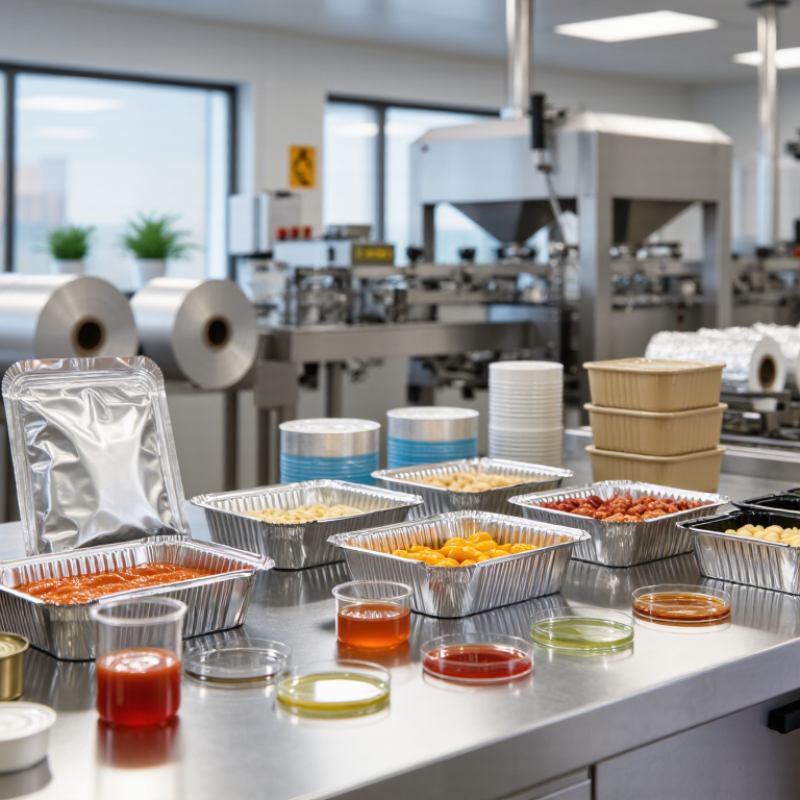
Understanding aluminium packaging types helps match the container to the food, filling method, and storage conditions. Aluminium foil offers an excellent barrier against light, oxygen, moisture, and aroma transfer. It suits butter wraps, chocolate, sachets, and layered meal packs. However, foil is thin and can tear near sharp product edges. A foil laminate adds paper, plastic, or both layers for better strength and heat sealing. The exact structure matters more than its shiny appearance.
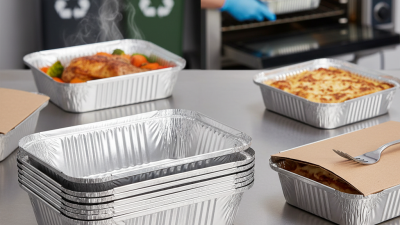
Aluminium trays and containers provide rigidity for ready meals, baked foods, and chilled products. They can move from a filling line to a freezer or oven, when the material and coating are suitable. Check the flange design, sealing surface, wall thickness, and resistance to acidic or salty recipes. An aluminium can gives strong protection and efficient stacking for drinks and preserved foods. It normally needs an internal coating to separate the food from the metal. Coating performance should be verified with the actual recipe, temperature, and storage period.
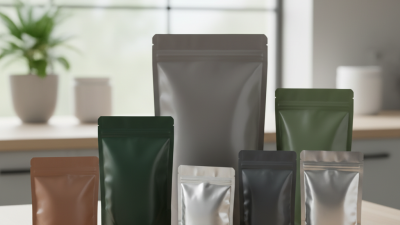
Lightweight aluminium pouches reduce transport weight but may need careful sealing and puncture testing. In practical trials, a small wrinkle along the seal can create a serious leak path. That detail is easy to miss. I once preferred the thinnest option for efficiency, but handling losses changed the decision. Packaging selection should include migration checks, seal testing, drop testing, and food-contact documentation. No single aluminium format fits every product.
| Aluminium Packaging Type | Typical Structure or Format | Barrier Performance | Suitable Food Products | Main Advantages | Important Limitations | Key Selection Considerations |
|---|---|---|---|---|---|---|
| Aluminium Foil | Thin, flexible aluminium foil used alone or as part of a sealed pack. | Excellent barrier against light, oxygen, moisture, aromas and microorganisms when the foil is intact and properly sealed. | Butter portions, confectionery, coffee, bakery products, chocolate and wrapping for ready-to-eat foods. | Very high barrier performance; lightweight; easy to fold; protects against light and aroma transfer. | Can tear or develop pinholes; uncoated foil may react with highly acidic or salty foods, especially during extended contact. | Check foil thickness, pinhole quality, food-contact coating and sealing method. Use a laminate or coating when additional strength or compatibility is required. |
| Aluminium Foil Laminate | Multilayer flexible material combining aluminium foil with paper, polyethylene, polypropylene or other food-contact layers. | Very high overall barrier; the plastic sealing layer improves heat sealing and protects the foil from handling damage. | Retort foods, sauces, soups, dry mixes, pet food, coffee, snacks and portion packs. | Combines barrier protection, printability, flexibility and reliable sealing; suitable for lightweight pouches. | Multilayer construction is more difficult to separate and recycle; compatibility depends on the adhesive and food-contact layers. | Define the required oxygen and water-vapour barrier, seal temperature, puncture resistance, filling process and end-of-life route before selecting the laminate. |
| Aluminium Cans | Rigid, drawn or formed metal container with an internal food-contact coating and a seamed or easy-open end. | Excellent protection from light and gases; hermetically sealed cans can provide long ambient shelf life when correctly processed. | Soft drinks, beer, seafood, vegetables, fruits, sauces and other shelf-stable foods. | Strong, stackable, tamper-evident after opening, fast to chill and widely recyclable through established metal-recycling systems. | Requires specialized filling and seaming equipment; dents can affect appearance and seam integrity; the internal coating must be compatible with the food. | Evaluate product acidity, salt content, carbonation, thermal process, can dimensions, seam specification and internal-coating performance. |
| Aluminium Trays | Rigid or semi-rigid formed tray, commonly sealed with a foil or plastic lidding material. | Good protection from light and gases when closed with a suitable lid; the tray itself is not an airtight package without a sealed lid. | Ready meals, baked foods, frozen foods, desserts, catering portions and takeaway meals. | Good heat distribution; suitable for oven and freezer applications when specified for those conditions; rigid and convenient for portion control. | May deform under rough handling; direct contact with acidic or salty foods may require a coating; compatibility with microwave use must be verified. | Confirm temperature range, lid-seal performance, tray rigidity, stacking requirements and whether the product will be heated in an oven or microwave. |
| Aluminium Foil Lids | Pre-cut or reel-fed foil lid with a heat-seal lacquer, peelable sealant or laminated sealing layer. | High barrier against light, oxygen and moisture when the lid is correctly sealed to a compatible container. | Yogurt, dairy desserts, sauces, spreads, instant foods and portion containers. | Excellent product protection; supports tamper evidence; can be designed for easy peeling or puncturing. | Seal quality can be affected by contamination, incorrect temperature, pressure or dwell time; foil may be damaged by sharp edges. | Match the lid coating to the container material and product; validate seal strength, peelability, leakage resistance and filling-line speed. |
| Aluminium Aerosol Food Containers | Seamless or impact-extruded aluminium container fitted with a valve, actuator and suitable internal coating. | Strong barrier against light and oxygen; the closed system can reduce exposure to air during dispensing. | Whipped cream, edible oils, cooking sprays and selected dessert toppings. | Convenient controlled dispensing; lightweight; corrosion resistance depends on the alloy and internal protection. | Requires pressure-rated components and strict safety testing; not suitable for every food formulation or distribution environment. | Assess propellant compatibility, pressure, valve performance, corrosion resistance, transport regulations and safe-use instructions. |
| Aluminium Bottles and Jars | Rigid aluminium container with a threaded, snap-on or other closure and an internal protective coating. | Good light and oxygen protection when the closure and coating are properly specified; not automatically hermetic. | Specialty beverages, edible oils, dry foods, sauces and selected powdered products. | Lightweight, opaque, durable and suitable for distinctive shapes and repeated use in some applications. | Closures may be the main leakage or oxygen-ingress point; acidic and salty products require careful coating selection. | Verify closure torque, liner performance, coating migration compliance, product acidity, shelf-life targets and resistance to denting. |
Related Posts
-
China Top 10 Aluminium Foil Packaging Suppliers
-
2026 Best Aluminium Foil Paper for Food Packaging?
-
How to Choose the Best 250 ml Foil Container for Your Needs?
-
What is a 250 ml foil container and its uses?
-
Best Aluminium Pouch for Food Packaging Solutions?
-
2026 Best Aluminium Pouch for Food Packaging Options?