China Top 10 Aluminium Foil Packaging Suppliers
China’s aluminium foil package industry has become a critical link between product protection, logistics efficiency, and responsible manufacturing. Its products appear in medicine cabinets, lunch boxes, coffee pouches, and ready-meal trays. The details matter: foil thickness, pinhole control, sealing strength, alloy selection, and printing consistency can determine whether a package survives humid transport.
Market data shows why supplier selection deserves closer attention. Grand View Research reported that the global aluminum foil packaging market reached approximately USD 31 billion in 2023, with continued growth expected through the decade. The European Aluminium Foil Association has also reported annual global foil demand above five million tonnes. These figures are useful, but not perfectly aligned. Definitions differ between “foil packaging,” “converted foil,” and broader flexible packaging markets. Rankings should therefore be treated as practical guides, not absolute verdicts.
As Robert Budway, former president and chief executive of The Aluminum Association, stated, “Aluminum is an infinitely recyclable material that can be recycled again and again without losing its properties.” This principle strengthens aluminium’s packaging case, although recycling performance still depends on collection systems, coatings, laminates, and local infrastructure.
This guide examines China’s top 10 aluminium foil package suppliers through manufacturing capability, quality systems, export experience, customization, certifications, and application range. Factory scale alone proves little. A reliable supplier should explain alloy tolerances clearly, provide traceable test records, and respond when a sealing line produces inconsistent results. Some suppliers may look similar on paper. They are not always similar in practice.
China’s Aluminium Foil Packaging Industry at a Glance
China’s aluminium foil packaging industry serves food, pharmaceuticals, household products, and industrial applications. Its strength comes from large-scale rolling facilities, flexible converting lines, and established export experience. The top ten suppliers often differ in coating systems, sealing performance, production capacity, and quality controls. A ranking alone says little.
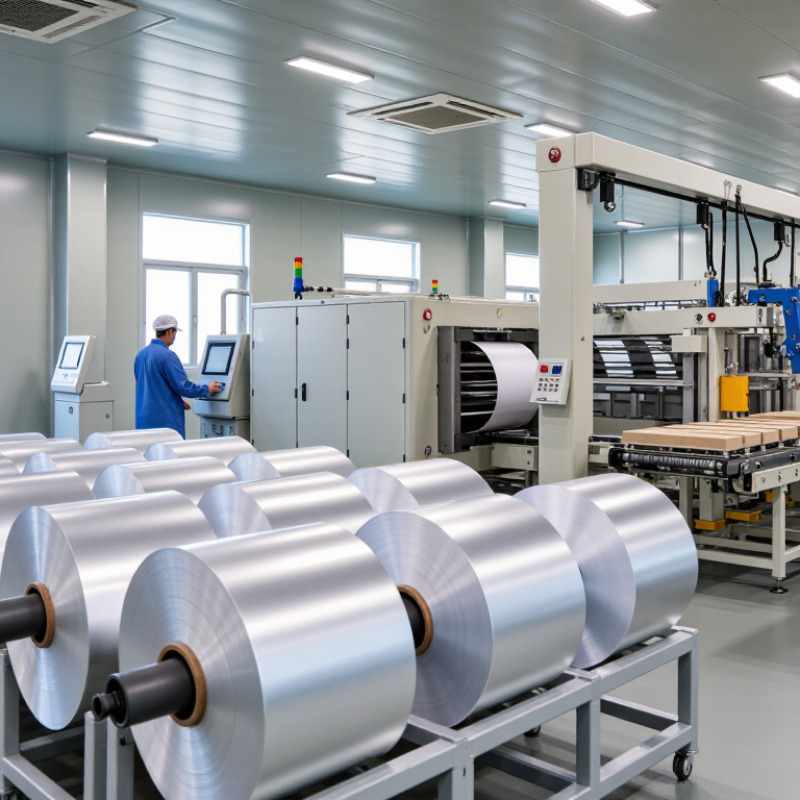
Reliable suppliers usually provide alloy certificates, batch records, and migration test reports. They should explain foil thickness, pinhole limits, temper, and lacquer performance in clear terms. On a factory visit, buyers can inspect clean rooms, printing areas, humidity controls, and online inspection equipment. Small details matter. A loose core or uneven coating can damage an entire packaging run.
Many Chinese manufacturers now support custom widths, printed lidding foil, sachet materials, and recyclable structures. They also improve energy efficiency through thinner gauges and better scrap recovery. However, thinner foil is not automatically better. It may reduce material use but create tearing, leakage, or machine stoppages. This trade-off deserves practical testing, not attractive claims. Buyers should compare samples under real filling, sealing, transport, and storage conditions. Supplier rankings may change as technology, certification, and service capacity develop.ಹಲಿ
Top 10 Aluminium Foil Packaging Suppliers in China
Top 10 Aluminium Foil Packaging Suppliers in China
China remains a major manufacturing base for aluminium foil packaging. Its suppliers serve food, pharmaceutical, household, and industrial markets. Grand View Research estimated the global aluminium foil market at about USD 24.35 billion in 2023, with steady growth expected through 2030. Packaging remains a central demand driver.
A reliable list of the top 10 aluminium foil packaging suppliers in China should examine more than production scale. Buyers need to compare foil thickness, alloy consistency, coating performance, sealing strength, and printing accuracy. ISO 9001 systems can support process control, while food-contact documentation should follow the destination market’s requirements. The China Nonferrous Metals Industry Association also highlights energy efficiency and quality stability as important directions for aluminium processing. In practice, small defects matter. A weak seal can damage an entire shipment.
Tips: Ask for recent test reports, batch samples, and production photos. Confirm whether the supplier controls rolling, coating, slitting, and inspection internally. Check tolerances in writing. Many quotations look attractive until minimum order quantities and tooling charges appear. This part is often overlooked. Also review traceability records, moisture barriers, delivery capacity, and export experience. Supplier rankings can guide research, but they cannot replace an on-site audit or independent sample testing.
Products and Applications of Aluminium Foil Packaging
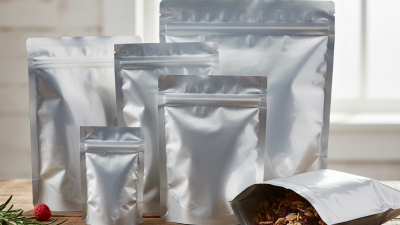
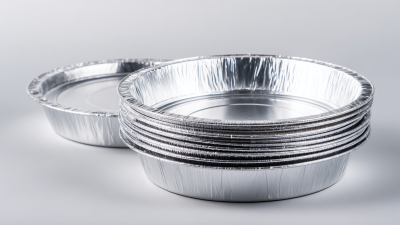
China’s aluminium foil packaging suppliers serve food, beverage, pharmaceutical, and household applications. Common products include foil containers, lidding foil, laminated rolls, pouches, and kitchen foil. Foil blocks light, oxygen, moisture, and aroma, helping protect coffee, dairy products, sauces, baked foods, and ready meals.
Grand View Research estimates that the global aluminium foil market will expand at about 6% annually through 2030, with packaging remaining a major application. Thickness often ranges from 6 to 30 microns, depending on the product and forming process. For food containers, buyers should check pinholes, sealing performance, surface cleanliness, and dimensional consistency. Small defects can cause large losses.
Pharmaceutical packaging requires stricter control. Suppliers may provide blister foil, strip foil, and child-resistant structures with heat-sealable coatings. Barrier performance should be verified through oxygen and moisture transmission tests, not guessed from appearance. Flexible packaging also uses aluminium foil laminates with plastic films and paper, improving stiffness and printability. According to the International Aluminium Institute, recycling aluminium can save around 95% of the energy needed for primary production. Yet recycling multilayer structures remains difficult. This point deserves honest review. A low unit price may hide higher conversion waste, weak traceability, or complicated end-of-life handling. Supplier audits, batch records, laboratory reports, and sample trials provide more reliable evidence than catalog claims.
How to Choose the Right Chinese Supplier
Choosing among China’s top aluminium foil packaging suppliers requires more than comparing quotations. International Aluminium Institute data shows that recycled aluminium uses about 95% less energy than primary aluminium. Ask suppliers about recycled content, energy records, and material traceability. A credible factory should provide batch numbers, mill certificates, and documented quality controls. Vague answers deserve caution.
Request samples matching your real production conditions. Check foil thickness, pinholes, tensile strength, coating adhesion, and seal performance. A 20-micrometre sample may behave differently after printing, laminating, or heat sealing. Require migration testing for food-contact applications, supported by recognized laboratory reports and applicable market regulations. ISO 9001 certification helps, but it cannot replace process evidence. Certificates alone are not enough.
Audit the factory, or appoint an independent inspector. Review incoming-material checks, clean areas, calibration records, complaint handling, and corrective actions. International Aluminium Institute production statistics indicate China remains the world’s largest aluminium-producing market, so capacity is abundant, but consistency varies sharply. Confirm monthly capacity, lead times, minimum order quantities, and backup production lines in writing. Do not choose only by price. In practice, the cheapest offer can conceal unstable gauge control or delayed deliveries. No audit is perfect. A supplier can pass one visit and still miss later batches. Use trial orders, retain samples, and quarterly performance reviews before expanding the contract.
China Top 10 Aluminium Foil Packaging Suppliers – How to Choose the Right Chinese Supplier
Compare the typical aluminium foil thickness ranges used in major packaging formats when evaluating a Chinese supplier’s material capability, production consistency, sealing performance and compliance documentation.
The ranges shown are common commercial specifications in aluminium foil packaging. Actual requirements depend on the product, barrier target, laminate structure, forming process and applicable regulations. Ask suppliers for technical data sheets, test reports and production samples before making a final decision.