How to Choose the Right Aluminium Blister Packaging for Your Products?
Choosing the right aluminium blister packaging for your products can significantly impact their market success. This decision involves various factors, including product type, shelf life, and visual appeal. Aluminium blister packaging is known for its excellent barrier properties, protecting products from moisture and oxygen. This characteristic is essential for pharmaceuticals and dietary supplements.
The market offers diverse options, each with unique features and costs. Understanding these differences is crucial for making an informed choice. Yet, it's common for businesses to overlook the importance of packaging design. A well-thought-out design not only enhances product safety but also attracts consumers' attention. Factors like transparency, aesthetics, and ease of use should guide your selection.
In addition, considering environmental impact is vital. Sustainable aluminium blister packaging options are becoming increasingly popular. This trend reflects consumer demand for eco-friendly solutions. However, properly assessing your needs can sometimes lead to indecision. Reflecting on your product's specific requirements and your target market can lead to better choices. This clarity ensures that your aluminium blister packaging not only serves its purpose but also aligns with your brand's values.
Understanding Aluminium Blister Packaging: Key Features and Benefits
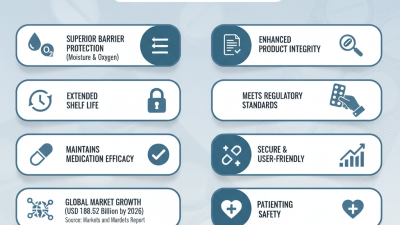
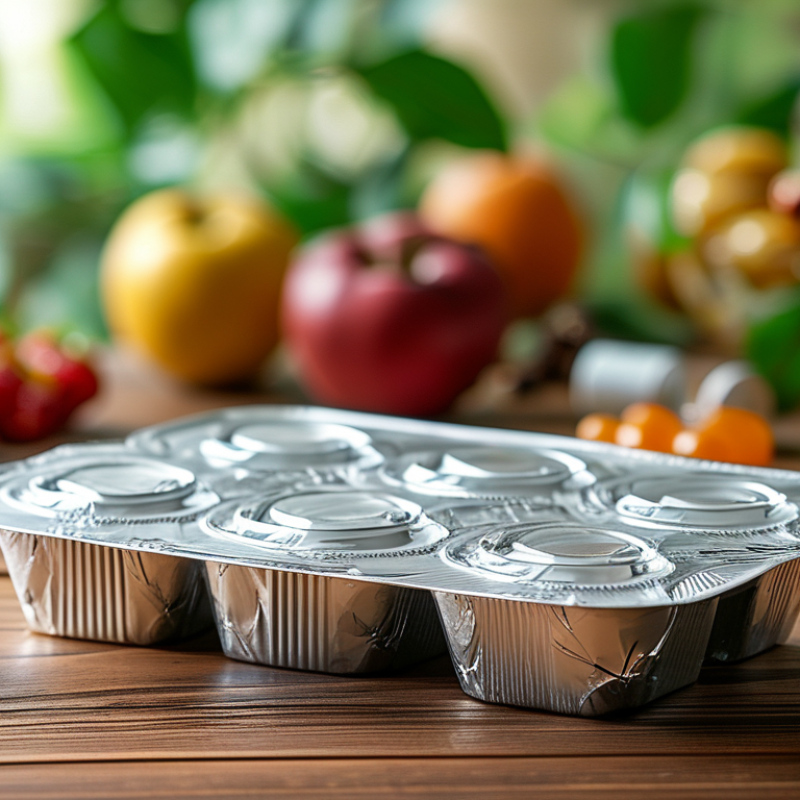
Aluminium blister packaging is a popular choice for many products. It provides an effective barrier against moisture, light, and oxygen. These elements can degrade product quality. The durability of aluminium ensures that the contents remain fresh and protected. Moreover, it is lightweight, which helps reduce shipping costs.
Consider the key features when selecting packaging. Look at the thickness of the aluminium. Thicker sheets can offer better protection. Evaluate the sealing method as well. Heat-sealed blisters can enhance product integrity. This prevents tampering and increases shelf life. Transparency is another factor. Clear blisters allow customers to see the product, boosting appeal.
Tips for choosing the right packaging include assessing storage conditions. Some products require more stringent barriers. Test different prototypes. This allows you to gather consumer feedback. Not every design is suitable for every product. Take the time to evaluate how well your choice performs under real conditions. Packaging is not just about protection. It also impacts customer perception. Aim for a balance between aesthetics and functionality.
Types of Aluminium Blister Packaging: Choosing the Right Style for Your Product
When selecting aluminium blister packaging, understanding the various styles is crucial. Different types serve unique purposes, catering to diverse product needs. For example, cold-formed blisters provide extra barrier protection, making them ideal for moisture-sensitive items. They excel in safeguarding pharmaceuticals, ensuring product integrity over time. However, they may come with higher production costs.
Thermoformed blisters, on the other hand, are cost-effective. They are lightweight and easier to produce. Many companies prefer them for simple packaging solutions. Yet, they may lack the same level of protection as cold-formed options. Therefore, assessing your product’s sensitivity to environmental factors is key.
Another option is peelable blisters, designed for easy access. They are particularly useful in markets requiring user-friendly packaging, such as consumer goods. However, they might not offer the robust protection needed for more delicate products. Experimentation and thorough evaluation of each type will yield the best outcome for your packaging needs. Balancing cost, functionality, and product safety is a reflection point during this decision process.
Factors to Consider When Selecting Aluminium Blister Packaging Materials
When selecting aluminium blister packaging, several factors demand your attention.
The material's thickness plays a crucial role in its performance.
Thicker materials offer better protection but may increase production costs. On the other hand, thinner materials can reduce costs but might compromise protection.
Assessing your product's fragility is vital when making this decision.
Tips: Always run tests on different material thicknesses. This will help you find the right balance between cost and protection.
Another important factor is the sealing ability of the aluminium.
A strong seal ensures product integrity and prevents contamination. Consider the type of sealing method you will use.
Heat sealing is common, but cold sealing may offer benefits in specific situations. Ensure compatibility with your product characteristics.
Tips: Check compatibility with different sealing methods before finalizing your choice.
It's essential to avoid unexpected challenges during production.
Lastly, the environmental impact of packaging materials matters.
Many businesses today seek sustainable options. Look for recyclable and eco-friendly aluminium options.
This choice boosts your brand’s reputation and can influence purchasing decisions.
Tips: Explore suppliers who prioritize sustainable practices. Engaging with experts can enhance your understanding of eco-friendly materials.
Regulatory Compliance: Ensuring Your Packaging Meets Industry Standards
When selecting aluminium blister packaging, regulatory compliance is crucial. Meeting industry standards ensures safety and efficacy for your products. Packaging must comply with specifications outlined by relevant regulatory bodies. This allows for safe distribution and enhances consumer trust.
Understanding these regulations can be complex. Documents often require detailed information about materials and manufacturing processes. It's essential to stay updated on changes in regulations. Non-compliance can lead to costly recalls and damage to brand reputation. Many companies overlook these requirements, leading to gaps in their packaging strategy.
Consider consulting with packaging experts. They can provide insights into the latest standards. Focus on the specific needs of your products. For instance, if your product is sensitive to moisture, inspections must ensure the packaging maintains barrier properties. Recognizing potential pitfalls early improves your overall packaging strategy. Compliance is not just a checkbox; it’s foundational to your product's success.
Tips for Cost-Effective Aluminium Blister Packaging Solutions
When selecting aluminium blister packaging, cost-effective solutions are crucial for manufacturers. The global market for blister packaging is projected to reach around $30 billion by 2025. This growth highlights the increased demand for efficient packaging. Companies often seek materials that balance cost, durability, and usability.
One effective approach is to analyze the material thickness. Standard aluminium foil thickness ranges from 20 to 30 microns. Thinner options reduce material costs but may compromise strength. A 2019 industry report indicated that switching to a 20-micron foil can reduce packaging costs by up to 10%. However, this may affect shelf life if not combined with proper barrier materials.
Cost-effective packaging also includes efficient design. Optimizing the layout can minimize waste. For instance, using a smaller blister shape can save aluminum while still meeting product safety requirements. In 2022, a study found that redesigning packaging led to a 15% reduction in material use without sacrificing quality. Companies must continuously evaluate their choices to meet both cost and sustainability goals, ensuring they can adapt in a changing marketplace.