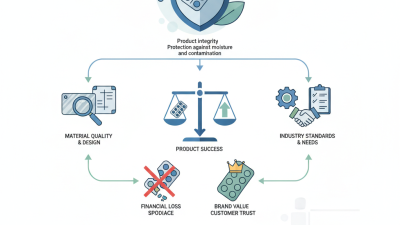
Choosing the right aluminium blister packaging involves more than comparing prices or foil thickness. The pack must protect the product, run smoothly on existing equipment, and support a clear user experience. A tablet exposed to humidity, light, or poor sealing may lose quality before it reaches the patient. Small details matter, such as pinholes, forming depth, lidding adhesion, and the pressure needed for clean opening.
Practical selection starts with the product itself. Moisture sensitivity, dose size, shelf life, and storage conditions should guide the material structure. Production teams also need to review machine speed, tooling limits, cavity design, and rejection rates. A reliable supplier should provide technical data, traceability, sample testing, and documented quality controls. Independent seal-strength, leak, and stability testing can reveal weaknesses that a visual inspection misses.
Real experience also brings a less comfortable lesson. The cheapest option can become expensive after line stoppages, damaged tablets, or repeated artwork changes. However, premium material is not automatically better. It may add cost without improving protection for a stable product. That decision requires evidence, not assumptions.
These ten practical tips examine performance, compatibility, compliance, sustainability, and supplier reliability. They are intended to help purchasing managers, packaging engineers, and quality specialists ask sharper questions. No single structure fits every application. Careful testing remains essential. The best choice is the one that performs consistently from the first production run to the final pack on the shelf.

Understanding Aluminium Blister Packaging and Its Applications
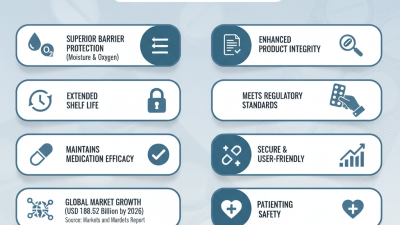
Aluminium blister packaging protects products from moisture, oxygen, light, and contamination. It usually combines a formed cavity with an aluminium lidding foil. This structure suits tablets, capsules, medical devices, diagnostic items, and sensitive consumer goods. The barrier performance is strong, but it depends on correct sealing and material compatibility. A package can look secure and still fail during storage.
Tip 1: Match the barrier to the product. Moisture-sensitive tablets may need stronger protection than ordinary solid products. Check expected humidity, temperature, shelf life, and transport conditions. Tip 2: Examine the cavity design. Cold-form aluminium offers excellent protection, while thermoformed structures may provide better visibility and material efficiency. The choice affects size, machinery, and production speed.
Tip 3: Test seal integrity, not appearance alone. Weak seals can result from dust, pressure variation, or incorrect heat settings. Tip 4: Consider opening behavior. A clear cavity helps inspection, but opaque aluminium can improve light protection. Elderly users may need easy push-through access. Child-resistant features may also be appropriate where required. Tip 5: Review recyclability and material use early. Aluminium is valuable, yet multilayer structures can complicate recycling. This is an area where packaging decisions often need more reflection. A cheaper pack is not always the most reliable option. Testing with real products remains essential.
Typical aluminium foil thickness by blister packaging application
Foil thickness should be selected according to barrier requirements, forming performance, product sensitivity, pack strength, and sealing conditions. Push-through lidding foil is commonly around 20 micrometres, while cold-form aluminium blister structures generally use thicker foil, often approximately 45–60 micrometres, to improve protection from moisture, oxygen, light, and mechanical damage. Actual specifications depend on the product and packaging line.
10 Tips for Choosing Aluminium Blister Packaging?
Tip 1: Define the product’s main risks before selecting the foil. Moisture, oxygen, light, and handling pressure may damage different products. Tip 2: Check barrier performance with measured data, not appearance alone. A bright surface can still hide weak sealing or pinholes. Tip 3: Match the barrier level to the product’s sensitivity. Excess protection can increase cost without improving stability. Tip 4: Review seal strength at the actual forming and sealing temperatures. Laboratory results may change during production.
Tip 5: Confirm material compatibility with the product and coating system. Some ingredients may interact with adhesives, lidding layers, or protective coatings. Tip 6: Examine chemical resistance after heat, humidity, and storage exposure. Short tests are useful, but they can miss long-term changes. Tip 7: Inspect forming performance using the real cavity shape. Deep pockets may create thinning at corners. That detail matters. Tip 8: Test puncture and abrasion resistance during transport. A package can pass the barrier test yet fail after repeated handling.
Tip 9: Verify print, coating, and sealing quality across production batches. Consistency is evidence of process control. Tip 10: Build a practical validation plan with stability, leak, and visual inspections. I prefer recording failures, not hiding them. A strong specification should include acceptance limits, sampling methods, and storage conditions. One imperfect trial can reveal more than a polished presentation. Recheck compatibility when the formulation, tooling, or sealing temperature changes. Packaging decisions should follow measured product protection, dependable barrier performance, and verified material compatibility.
Tip 1: Match the foil structure to the product’s moisture, oxygen, and light sensitivity. A basic aluminium layer may not provide enough protection.
Tip 2: Check compatibility between the forming layer, adhesive, and heat-seal coating. Poor compatibility can cause peeling or pinholes.
Tip 3: Select the temper carefully. Hard foil supports clean forming, while softer foil may suit unusual cavity shapes.
Tip 4: Request barrier and seal test data from the converter. Do not rely on appearance alone.
Tip 5: Confirm the required storage conditions before fixing the structure. Humid warehouses can expose weak barrier choices.
Tip 6: Measure the product precisely before designing each cavity. Include its length, thickness, edge shape, and filling tolerance.
Tip 7: Keep enough clearance for smooth forming and easy product removal. Tight cavities look efficient but may damage tablets or seals.
Tip 8: Review the blister size against the carton, transport tray, and dispensing routine. A few extra millimetres can increase material waste.
Tip 9: Make printed information readable under normal lighting. Use clear contrast, practical font sizes, and enough space between lines.
Tip 10: Add opening guidance, perforations, or child-resistant features when user testing supports them.
Experienced packaging teams test samples on the actual production line. They check seal strength, forming depth, foil wrinkles, and print durability.
Laboratory results are useful, but machine trials reveal uncomfortable surprises. Sometimes the selected structure is technically strong but unnecessarily expensive. Reconsider it.
Document every change, including tooling adjustments and storage observations. Independent regulatory and quality reviews can verify suitability for the intended market.
10 Tips for Choosing Aluminium Blister Packaging?
Evaluating manufacturing quality starts with the foil itself. Inspect thickness, pinholes, sealing strength, and surface cleanliness. Ask for batch records, test methods, and traceable inspection results. A reliable supplier should explain how defects are detected and corrected. Check forming performance on your actual product dimensions. Small cracks may appear after transport, not during sampling. Request stability data under heat, humidity, and light exposure. Confirm that printed layers resist abrasion and remain readable. Review tooling accuracy, because uneven cavities can damage delicate contents. Ask whether production controls remain consistent during high-volume runs.
Compliance requires more than a certificate on a wall. Verify material specifications, permitted inks, adhesives, and migration testing. Request current declarations for the target market. Check whether change-control procedures cover suppliers, formulas, and equipment. Keep technical files accessible for audits. Sustainability needs measurable evidence. Examine recycled aluminium content, energy use, scrap recovery, and packaging weight. Ask how production waste is separated and reused. Consider the full package, including lidding foil and secondary materials. A lighter structure may reduce emissions, but it can fail sooner. No checklist is perfect. I would still test samples after storage, handling, and sealing. That uncomfortable step often reveals assumptions that laboratory reports miss.
| No. | Evaluation Dimension | Recommended Practice | Typical Technical Criteria | Verification Evidence | Priority |
|---|---|---|---|---|---|
| 1 | Define Product Protection Needs | Select the blister structure according to sensitivity to moisture, oxygen, light, and mechanical damage. | Use high-barrier aluminium structures for products requiring strong protection from light and moisture. | Product stability data, barrier-performance test reports, and packaging compatibility studies. | Critical |
| 2 | Check Aluminium Foil Quality | Assess foil consistency, pinholes, surface cleanliness, and mechanical strength before converting. | Common pharmaceutical blister foil gauges are approximately 20–30 micrometres, depending on the design and forming method. | Incoming inspection records, thickness measurements, pinhole testing, tensile testing, and visual inspection. | Critical |
| 3 | Evaluate Forming and Sealing Quality | Confirm that cavities are formed uniformly and that the lidding foil seals continuously around every pocket. | No cracks, wrinkles, incomplete forming, channel leaks, or exposed product-contact areas. | Seal-strength testing, dye or vacuum leak testing, dimensional inspection, and packaging-line challenge samples. | Critical |
| 4 | Review Manufacturing Controls | Choose a converter with documented process controls, batch traceability, calibrated equipment, and controlled changes. | Defined specifications for coating weight, print registration, seal parameters, cleanliness, and release testing. | Quality manual, process flow, batch records, calibration certificates, deviation reports, and change-control history. | High |
| 5 | Confirm Regulatory Compliance | Match the packaging system to the destination market and the product category, especially for medicines and medical devices. | Pharmaceutical packaging should be manufactured under an appropriate quality system and supported by documented material specifications. | Applicable ISO 11607 evidence for sterile barrier applications, regional regulatory documentation, declarations, and audit reports. | Critical |
| 6 | Assess Print and Coding Legibility | Verify that medicine names, strength, expiry dates, lot numbers, and instructions remain readable throughout distribution. | Stable ink adhesion, accurate registration, sufficient contrast, and machine-readable codes where required. | Rub tests, barcode verification, artwork approval records, accelerated-aging checks, and line-clearance procedures. | High |
| 7 | Test Child-Resistant and Senior-Friendly Features | Use a design that balances resistance to unintended access with practical opening by the intended user. | Assess push-through force, peel performance, tear initiation, and user accessibility according to the target market. | Human-factors testing and applicable child-resistant packaging test reports, such as protocols referenced by ISO 8317. | High |
| 8 | Review Sustainability Performance | Reduce unnecessary material use while preserving the barrier and safety performance required by the product. | Prioritize right-weighted structures, efficient nesting, production scrap control, and recyclable aluminium where local systems accept it. | Material declarations, recycled-content information where applicable, scrap reports, energy data, and lifecycle assessment boundaries. | Medium |
| 9 | Check Production and Supply Reliability | Evaluate capacity, lead times, minimum order quantities, spare-tool availability, and continuity plans. | Documented forecast process, safety-stock policy, alternate raw-material sources, and defined service-level targets. | Capacity statement, delivery performance records, business-continuity plan, and approved supplier list. | High |
| 10 | Conduct a Complete Validation Trial | Run the selected blister on the intended packaging line before full-scale approval. | Confirm line speed, forming depth, sealing window, reject rate, pack integrity, and product handling performance. | Factory acceptance records, installation or operational qualification documents where applicable, stability samples, and final approval report. | Critical |
Note: Technical specifications should be finalized through product-specific stability studies, applicable regulatory requirements, and validated packaging-process data.
When comparing suppliers, request matching samples, not attractive samples from different specifications. Check foil thickness, seal strength, forming depth, and print clarity under normal production conditions. A reliable supplier should explain material grades, quality controls, and test records without vague promises. Ask who performs inspections and how rejected batches are handled. Small details matter.
Compare total cost, not only the quoted unit price. Include tooling, artwork preparation, testing, freight, minimum order quantities, and possible setup fees. A cheaper quote may use thinner foil or exclude essential inspections. Request a written quotation with identical specifications from each supplier. I once underestimated tooling costs, and the revised budget created avoidable pressure. That mistake still influences how I compare offers.
Lead time should include approval, tooling, production, inspection, and shipping. Ask for realistic dates and a contingency plan for delays. Suppliers with clear production schedules are easier to manage. Customization may include cavity dimensions, lidding foil, colors, embossing, perforations, and child-resistant features where appropriate. Confirm which options require new tooling. Too much customization can slow production and increase waste. Keep the design practical. Before approval, test filled samples for sealing, opening force, readability, and transport durability. Document every change, because verbal agreements are easily forgotten.