Fam Ti

Top Aluminium Blister Foil Suppliers for Global Buyers?

Choosing reliable aluminium blister foil suppliers requires more than comparing prices on a product page. Global buyers need consistent barrier performance, accurate thickness, clean surfaces, and dependable delivery. Aluminium blister foil protects sensitive products from moisture, oxygen, light, and contamination. Its quality can directly affect shelf life and packaging efficiency.

A capable supplier should explain alloy grades, foil temper, pinhole limits, coating structure, and sealing performance. Ask for technical data sheets, batch samples, inspection reports, and traceability records. Production experience also matters. A factory handling pharmaceutical packaging should demonstrate controlled processes, trained operators, and suitable testing equipment. Details become visible during inspection: smooth foil rolls, firm cores, readable labels, and packaging without crushed edges.

Documentation matters too. Reputable suppliers can support quality audits and provide relevant certificates, while buyers must verify every claim independently. Do not rely on attractive photographs alone. They show little.

This guide reviews leading aluminium blister foil suppliers for international purchasing teams. It considers manufacturing capability, customization, quality control, export experience, communication, and after-sales support. Some suppliers may offer excellent foil but limited technical assistance. Others may respond quickly but lack stable capacity. That trade-off deserves attention. Prices can also change with alloy costs, order volume, freight conditions, and printing requirements. A careful comparison should include delivered cost, lead time, minimum order quantity, and replacement procedures.

The strongest choice is not always the cheapest supplier. It is the partner that can repeat the same result across shipments, explain problems honestly, and improve when specifications change. That standard helps buyers reduce risk and build more reliable packaging programs.
Top Aluminium Blister Foil Suppliers for Global Buyers?

Aluminium Blister Foil: Definition, Structure, and Packaging Uses

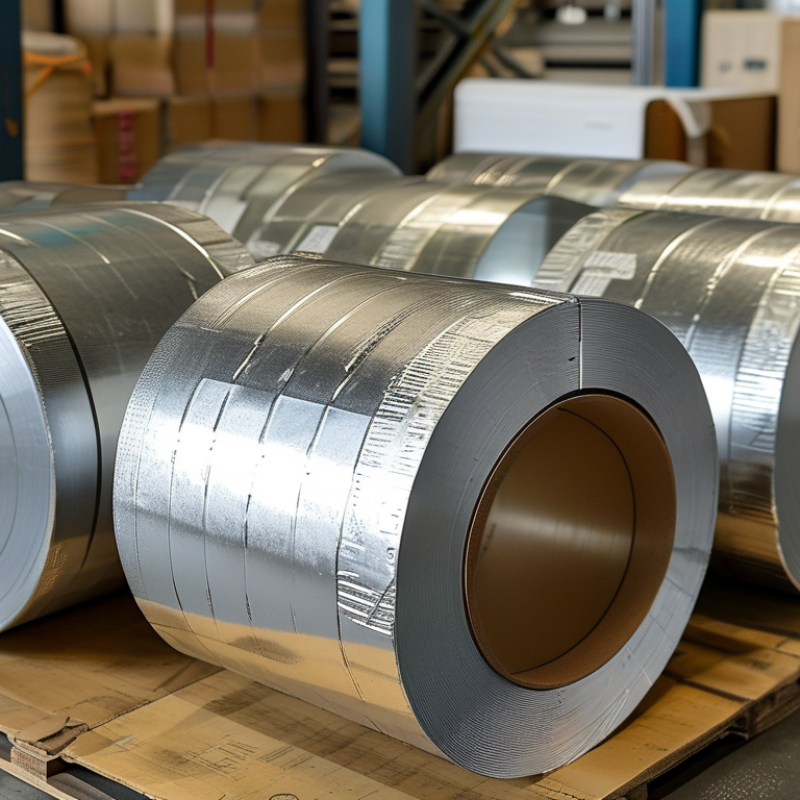
Aluminium blister foil is a thin, roll-formed metal material used to protect unit-dose products. It blocks light, oxygen, moisture, and many external contaminants. The foil commonly forms the lidding side of a blister pack. A forming film creates each pocket, while the foil closes it securely.

Its structure is more engineered than it looks. The base aluminium layer provides barrier protection and tear strength. A printed coating may carry product information. A heat-seal lacquer bonds the foil to the forming film. Some constructions include a primer or polymer layer for better adhesion. Thickness, alloy, temper, pinholes, and seal performance all affect packaging reliability. In my experience, a bright surface alone proves very little. Testing matters more.

Global buyers should ask suppliers for technical data, batch traceability, certificates, and sealing recommendations. Compatibility with the forming material must be checked under real production conditions. Heat, pressure, and storage time can change seal quality. Aluminium blister foil suits tablets, capsules, and other regulated unit-dose products where protection and easy opening matter. It is not automatically perfect. Small defects, incorrect lacquer selection, or rough handling can weaken the pack. A practical evaluation should include visual inspection, leak testing, opening-force checks, and stability studies before large-scale purchasing.

Key Quality Standards and Technical Specifications for Global Buyers

Top Aluminium Blister Foil Suppliers for Global Buyers

Global buyers should assess aluminium blister foil through measurable specifications, not attractive samples alone. Common grades include 8011 or 8079 aluminium, depending on forming needs. Typical thickness ranges from 0.020 to 0.030 millimetres. Thickness tolerance must remain consistent across the full coil. Uneven foil can cause weak sealing or poor machine performance. Check pinhole limits, surface cleanliness, tensile strength, and elongation values. These details often reveal production discipline.

Barrier performance is equally important. Ask for water vapour transmission and oxygen transmission data under stated test conditions. A high barrier coating should resist moisture, light, and oxygen exposure. Heat-seal lacquer must match the lidding material and operating temperature. Confirm coating weight, adhesion, printability, and chemical compatibility. Reliable suppliers should provide a certificate of analysis, batch traceability, inspection records, and quality-system documentation. Still, paperwork is not proof by itself. Independent testing may expose small defects.

Tips: Request samples from different coil positions, including the inner and outer layers. Test them on your actual blister machine. Record sealing temperature, pressure, dwell time, and rejection rates. Inspect the foil under controlled lighting for pinholes, scratches, stains, and coating gaps. Do not rely on one laboratory result. Test again after storage and transport simulation. Specifications can look perfect, yet real production may disagree. A tighter acceptance limit may increase cost, but it can prevent unstable packaging and costly line stoppages.

Top Aluminium Blister Foil Suppliers for Global Buyers? - Key Quality Standards and Technical Specifications for Global Buyers
Quality Area Buyer Verification Item Typical Commercial Specification or Acceptance Target Relevant Standard or Test Reference Required Supplier Evidence
Aluminium Grade Alloy and temper Common blister foil alloys include 8011 and 8021. Lidding foil is generally supplied in a hard temper such as H18 or H19. The selected alloy and temper should match the required strength, forming behavior and coating system. EN 546-2 and EN 546-3; ASTM B479 Mill certificate, alloy certificate and temper declaration
Dimensional Control Aluminium foil thickness Lidding foil commonly ranges from approximately 20 to 30 μm. Cold-form blister structures commonly use an aluminium layer of approximately 45 to 60 μm, depending on cavity depth and forming requirements. EN 546-1; ASTM B479 Thickness profile, measurement method and batch inspection report
Dimensional Control Width and length tolerance Tolerances should be agreed on the purchase specification and confirmed against the converting machine requirements. Narrow tolerance control is important for high-speed feeding, printing and die-cutting. EN 546-1 or mutually agreed purchaser specification Final inspection report and roll measurement record
Mechanical Properties Tensile strength and elongation Hard-temper lidding foil typically has high tensile strength and low elongation. For many 20–30 μm hard-temper grades, indicative tensile strength is approximately 150–200 MPa with elongation commonly around 1–3%; exact values depend on alloy, temper and thickness. EN 546-2; ISO 6892-1 Mechanical test report with machine and transverse direction results
Surface Quality Pinholes and visual defects The surface should be free from tears, cracks, folds, oil stains, corrosion, embedded particles and visible contamination. Pinhole limits must be defined by the application; many pharmaceutical buyers require no visible pinholes within the inspected sample area. EN 546-1; ASTM B479; purchaser-defined visual inspection method Pinhole inspection record, defect classification and retained sample
Surface Treatment Surface cleanliness and wettability The printing and coating side should be clean, dry and suitable for ink, primer and heat-seal lacquer adhesion. Surface energy or dyne level should be agreed according to the selected coating system. ASTM D2578 or an agreed dyne-pen method Surface-treatment declaration and adhesion test results
Coating System Heat-seal lacquer coating weight A typical heat-seal lacquer coating weight is approximately 2–6 g/m², subject to the sealing material, blister base web and required sealing window. Coating must be continuous and free from skips, bubbles and uncoated areas. Gravimetric coating-weight method; buyer-approved internal method Coating-weight report, coating type and technical data sheet
Heat Sealing Sealing temperature and seal integrity Many pharmaceutical blister lidding systems operate within a practical sealing range of approximately 140–180 °C, but the exact window depends on lacquer chemistry, dwell time, pressure and base web. Seals should be continuous and free from channels or peel failures. ASTM F88/F88M for seal strength; ISO 11607-1 where applicable Seal-window study, seal-strength results and recommended machine settings
Barrier Performance Water vapor and oxygen transmission Aluminium foil provides a very high barrier when it is pinhole-free and properly laminated or coated. Barrier targets should be stated as measured values for the complete blister structure rather than for bare foil alone. ISO 15106-3 for water vapor transmission; ISO 15105-1 for oxygen transmission WVTR and OTR reports showing test temperature, relative humidity and specimen structure
Lamination Bond strength between layers Laminated cold-form structures should show uniform bonding without delamination, tunnel defects or edge separation. The minimum peel value should be agreed according to the laminate construction and forming depth. ASTM F88/F88M or an agreed laminate peel-strength method Lamination specification, peel-strength report and cross-sectional sample
Printing Quality Ink adhesion and print registration Printed graphics should meet the approved artwork for color, text, barcode readability and registration. Ink must resist normal handling, slitting and heat-sealing operations without flaking or transferring. ASTM D3359 for cross-hatch adhesion; ISO/IEC 15415 for 2D barcode quality where applicable Approved proof, color standard, adhesion test and barcode verification report
Pharmaceutical Suitability Chemical and regulatory compliance Aluminium, inks, primers, adhesives and heat-seal coatings should be suitable for the intended pharmaceutical packaging application and destination market. The complete structure must be assessed, not only the aluminium foil. Applicable requirements may include EU Regulation 1935/2004, GMP principles and relevant national pharmaceutical-packaging rules Declaration of compliance, composition statement, extractables or migration data where required
Hygiene and Cleanliness Odor, particles and contamination Material should have no abnormal odor and should be protected from dust, moisture, oil and foreign particles. Packaging and handling should prevent contamination during transport and storage. ISO 15378 quality-system principles where applicable; buyer-approved cleanliness procedure Hygiene declaration, production-area controls and packaging specification
Roll Construction Core, winding and roll hardness Rolls should be evenly wound, telescoping-free and suitable for the buyer’s printing or blister line. A common paper-core internal diameter is 76 mm, but the required core size and maximum roll diameter must be confirmed before ordering. Purchaser-approved roll and winding specification Core certificate, roll drawing, net-weight record and winding inspection
Packaging and Storage Moisture protection and shelf life Rolls should be sealed in moisture-resistant packaging with edge protection. Store in a clean, dry environment at stable room temperature and allow cold material to reach room temperature before opening to reduce condensation risk. Supplier storage specification; ISO 2233 may be used for conditioning studies Packing specification, storage conditions, production date and shelf-life statement
Traceability Batch identification and change control Each roll or carton should be traceable to the aluminium coil, coating or lamination batch, production date and inspection results. Any change to alloy, coating, adhesive, ink or manufacturing location should require prior notification and approval. ISO 9001; ISO 15378 where applicable Certificate of analysis, batch number system and change-control procedure
The values shown are typical market ranges or buyer qualification targets rather than universal limits. Final acceptance criteria should be confirmed against the approved drawing, blister machine settings, pharmaceutical product requirements and destination-market regulations.

How to Evaluate Reliable Aluminium Blister Foil Suppliers

How to Evaluate Reliable Aluminium Blister Foil Suppliers

Reliable aluminium blister foil suppliers prove performance through evidence, not attractive samples. Check the foil’s alloy, thickness tolerance, temper, coating type, and roll dimensions. These details affect forming, sealing, printing, and machine stability. Request recent certificates of analysis for each production lot. The certificate should match the delivered material, not a generic product sheet. Supplier audits also matter. Review quality procedures, laboratory equipment, complaint records, and corrective actions. A clean factory helps, but documented control matters more.

Test samples under realistic conditions. Measure pinholes, coating adhesion, seal strength, surface cleanliness, and moisture barrier performance. Ask for results at your operating temperature and sealing speed. Packaging needs can vary by medicine, climate, and machinery. A sample may perform well in a laboratory yet wrinkle during high-speed production. This is an easy mistake to overlook. Reliable suppliers explain limitations instead of promising perfect results. They also provide traceable batch numbers, stable lead times, protective packaging, and clear replacement procedures.

Tips:

Compare at least three suppliers. Verify test methods. Inspect inner cores and roll edges. Request a small trial order before scaling. Keep written records of every approval. Do not choose only by price; lower material consistency can create waste, delays, and rejected packs. A supplier may have strong technical knowledge but weak communication. That weakness deserves attention. Check response time, technical language, and willingness to investigate unusual defects. Good sourcing is not effortless. It requires repeated checks.

Supplier Capabilities, Certifications, and Production Quality Controls

Top Aluminium Blister Foil Suppliers for Global Buyers?

Reliable aluminium blister foil suppliers show capability through measurable production details. They should state foil thickness, web width, temper, coating type, and monthly capacity clearly. Slitting, printing, laminating, and cleanroom packing require controlled equipment and trained operators. Buyers should request recent samples, technical data sheets, and batch-specific certificates. Useful certifications may include ISO 9001, ISO 15378, and documented good manufacturing practices. However, certificates alone prove little. Their scope, expiry date, and issuing body deserve careful review. Ask for evidence.

Production quality controls should protect both performance and traceability. Incoming aluminium coils need checks for thickness, surface cleanliness, alloy consistency, and visible damage. During conversion, inspectors can monitor pinholes, coating weight, print registration, bond strength, and seal integrity. Finished rolls should receive visual inspection and laboratory testing before release. A dependable supplier links every roll to raw material records, process parameters, inspection results, and a certificate of analysis. Small details matter. Packaging should prevent moisture, dust, and edge damage during transport. Some suppliers describe perfect systems, yet their records may be incomplete. That gap deserves an honest discussion, not a polished promise. Independent audits, retained samples, and corrective-action reports can reveal how the factory responds when results fall outside specifications.

Pricing, Minimum Orders, Logistics, and Import Considerations

Top Aluminium Blister Foil Suppliers for Global Buyers?

Pricing, Minimum Orders, Logistics, and Import Considerations

Selecting an aluminium blister foil supplier requires more than comparing the lowest quotation. In practical sourcing, price changes with alloy grade, foil thickness, coating, printing, and order volume. A supplier may quote per kilogram, roll, or square meter, so confirm the measurement basis. Request a written specification, coating details, core size, roll length, and tolerance range. Small trial orders often cost more per unit, but they reduce production risks. Minimum order quantities may range from a few hundred kilograms to several tonnes.

Lead time depends on material availability, printing approval, production scheduling, and export preparation. Ask for a realistic timeline, not an optimistic estimate. Confirm whether the quote includes inspection, palletizing, export documents, and inland transport. Compare Incoterms carefully. A lower factory price can become expensive after freight, insurance, port fees, customs duties, and storage. It happens often.

Importers should verify the correct HS classification with a qualified customs professional. Prepare the commercial invoice, packing list, certificate of origin, and technical or conformity documents when required. Packaging should protect rolls from moisture, crushing, and contamination during ocean transport. Before payment, review sample quality, production records, and corrective-action procedures. I have seen buyers approve attractive samples, then overlook roll tension and edge damage. That mistake is avoidable, although supplier audits are never perfect. Keep inspection criteria measurable, and record every agreed tolerance.

Top Aluminium Blister Foil Suppliers for Global Buyers

Indicative industry planning benchmarks for pricing, minimum orders, logistics, and import preparation. Figures are reference ranges rather than supplier quotations.

For standard pharmaceutical blister foil, buyers commonly evaluate material pricing alongside minimum order quantities, production lead time, and shipping method. Ocean freight is generally the most economical for larger orders, while air freight can reduce transit time but substantially increases landed cost. Importers should confirm alloy, foil thickness, coating system, food or pharmaceutical compliance, HS classification, origin documents, and destination-country labeling requirements before placing an order.