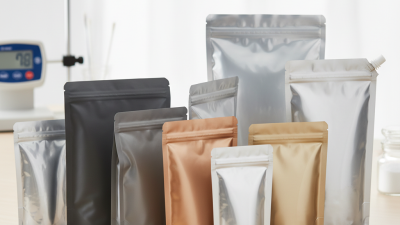
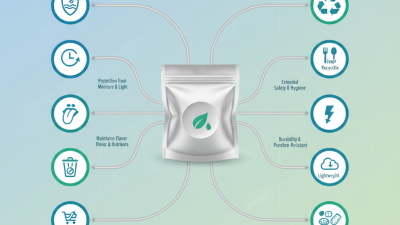
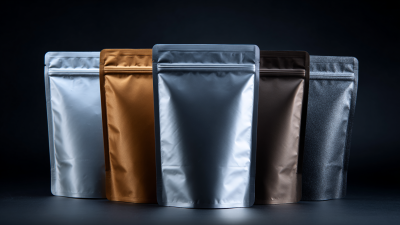
In 2026, global buyers will examine aluminum stand up pouch types more carefully. Product protection, filling efficiency, recyclability, and regional compliance now influence purchasing decisions. These pouches often protect coffee, pet food, snacks, powders, and sensitive ingredients from light, oxygen, and moisture. Their practical value becomes visible on warehouse shelves: stable bases, compact cartons, and clear product labels.
Grand View Research reports strong growth in the global stand-up pouch market through 2030. Smithers’ The Future of Flexible Packaging to 2029 also highlights demand for lightweight, high-barrier packaging. However, market forecasts are not purchase instructions. Barrier performance depends on foil thickness, seal quality, zipper design, and filling conditions. A beautiful pouch can still fail during transport.
Alison Keane, president and CEO of the Flexible Packaging Association, said, “Flexible packaging is the fastest-growing segment of the packaging industry.” Her statement reflects a broader industry shift toward efficient material use and convenient formats. Yet aluminum is not automatically the best choice for every application. Recycling systems differ widely between countries. Buyers must verify local infrastructure, food-contact requirements, declaration rules, and supplier testing records.
This guide compares major 2026 aluminum stand up pouch types for global buyers. It considers flat-bottom and rounded-bottom structures, zipper and spout options, clear-window designs, retort-ready formats, and custom printed solutions. Some differences look minor. They are not. A few millimeters in seal width can affect leakage, shelf life, and customer trust.
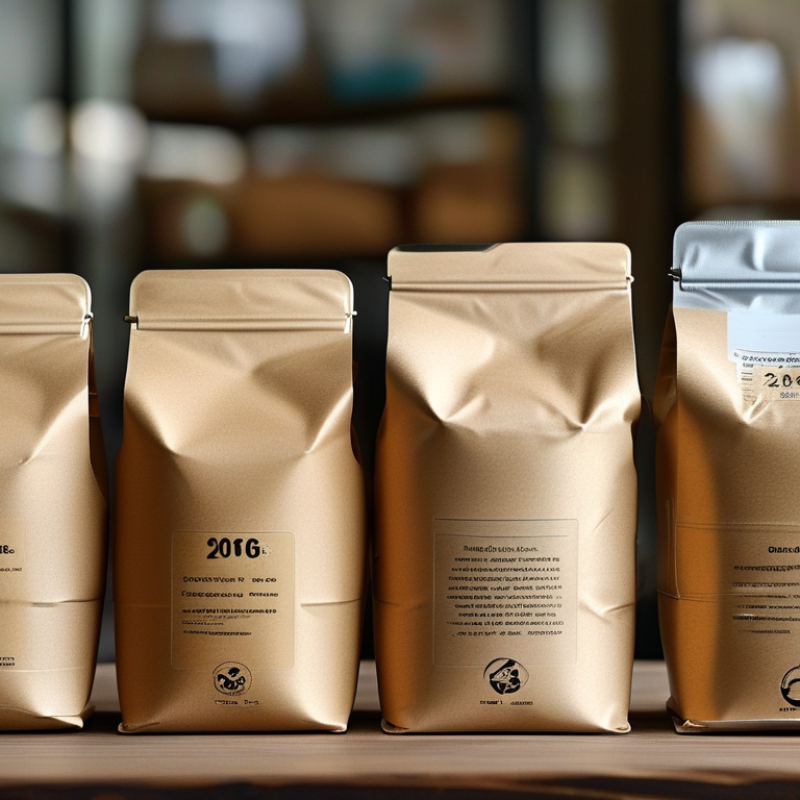
Aluminum stand up pouches are flexible bags built from layered films. A typical structure combines plastic film, aluminum foil, and a sealant layer. The foil blocks light, oxygen, moisture, and aroma loss. A bottom gusset lets the pouch stand on shelves. Heat-sealed edges keep the contents protected.
The pouch works through barrier control and precise sealing. The aluminum layer acts like a thin metal shield. The inner sealant bonds when heated, creating an airtight closure. Zippers support repeated use, while spouts help control liquid flow. Retort versions can handle controlled heat processing. According to the Flexible Packaging Association’s 2024 industry report, U.S. flexible packaging sales reached about 39.8 billion dollars in 2023. Smithers also forecasts continued global growth for flexible packaging through 2028. These figures show strong demand, but they do not make every pouch suitable for every product. Material testing still matters.
Tips: Check oxygen transmission, moisture transmission, seal strength, and drop resistance before ordering. Ask for migration and food-contact documents. Test the pouch after filling, not only when empty. A reflective foil surface looks premium, yet multilayer construction can complicate recycling. This is an area where buyers should remain cautious. Temperature, filling speed, and storage humidity can change real performance.
In 2026, global buyers can choose several aluminum stand up pouch types. Aluminum pouches are not one product. The common foil-laminated pouch combines aluminum foil with plastic layers. It offers strong protection from light, oxygen, moisture, and odors. This format suits coffee, powdered foods, dried fruit, and sensitive ingredients. A thicker foil layer can improve barrier performance. However, it may increase material use, shipping weight, and cost.
A second option uses metallized plastic film instead of true aluminum foil. It is lighter and often more flexible. Its barrier performance may be lower after repeated folding or sharp creasing. That difference matters during long-distance transport.
Buyers can also select zipper pouches, tear-notch pouches, spouted pouches, and fitment pouches. Zippers support repeated opening, while spouts work well for sauces, drinks, and liquid foods. Flat-bottom and side-gusset designs provide extra shelf stability.
Surface choices include matte, gloss, printed, and limited-window finishes. A window improves product visibility, but it can reduce the protected area. Some 2026 suppliers are developing recyclable mono-material structures, although performance may not equal foil laminates. This point needs careful testing.
Before approval, request barrier data, seal-strength results, migration documents, and transport samples. Check the pouch after heat exposure, compression, and several opening cycles. A sample may look perfect. Real logistics can be less forgiving.
2026 Top Aluminum Stand Up Pouch Types for Global Buyers
Aluminum pouch performance depends on the material stack, not the silver appearance. A true foil laminate usually combines PET, aluminum foil, and PE. The foil layer blocks light, oxygen, and moisture extremely well. Under controlled testing, oxygen transmission can fall below 0.1 cc/m²/day. Water vapor transmission can also approach 0.1 g/m²/day. Results vary with thickness, pinholes, seals, and handling. Metallized PET offers lower cost and lighter weight, but its barrier can weaken after folding. EVOH structures provide strong oxygen resistance, yet humidity may reduce performance. Smithers’ 2024 flexible packaging outlook identifies barrier improvement and material reduction as continuing industry priorities. Grand View Research also reports steady growth in aluminum foil packaging demand through 2030.
Tips: Ask for OTR and WVTR test results. Check the testing temperature and humidity. A pouch may look premium but perform poorly. Request samples after flexing and heat-sealing. Compare the actual structure, not only the product name.
For dry products, PET/AL/PE remains a dependable choice. For moisture-sensitive contents, thicker foil may justify its added cost. Recyclability goals complicate this decision. Mono-material PE designs can simplify recovery, but they may not match foil’s barrier. I have seen buyers overfocus on appearance. That is an expensive mistake. Seal strength, corner stress, and filling speed deserve equal attention. ASTM-based laboratory data helps, but transport trials reveal practical weaknesses.
How do aluminum pouch materials and barrier layers differ?
The chart compares representative commercial laminate constructions. Aluminum foil structures commonly use a continuous 7–12 μm foil layer, while metallized films use a much thinner vacuum-deposited aluminum layer, typically below 0.1 μm. Foil-based laminates generally provide stronger protection against oxygen, moisture, light, and aroma transmission, while metallized structures can reduce material use and cost. Actual barrier performance depends on laminate design, seal quality, flex cracking, pouch size, and converting conditions.
2026 Top Aluminum Stand Up Pouch Types for Global Buyers
How Should Global Buyers Select the Right Pouch Type?
Global buyers should select an aluminum stand up pouch by product sensitivity, filling process, and delivery route. An opaque foil laminate blocks light and offers strong oxygen and moisture protection. It suits coffee, powdered foods, dry mixes, and other light-sensitive products. Yet “aluminum pouch” does not always mean the same structure. Thickness, sealant, and laminate quality affect barrier performance. Ask suppliers for technical data, migration reports, and seal-strength results. Good evidence matters more than attractive samples.
Choose the pouch format around daily use. A press-to-close zipper supports repeated opening, while a tear notch offers faster access. For liquids, select a reinforced bottom, compatible inner sealant, and leak testing. Spouts improve controlled pouring, but they add parts and possible failure points. For heat-processed foods, use a retort-rated structure, not a standard foil laminate. Large packs may need stronger gussets and handles. Test filled pouches after temperature cycling, compression, and transport vibration. Real shipment trials reveal problems.
Check whether the material fits destination food-contact rules, labeling requirements, and recycling systems. Requirements vary by market and can change. Request compliance documents, batch traceability, and clear production tolerances. Consider freight volume, rejected units, and disposal fees, not only pouch price. A lighter structure may reduce material use but lose puncture resistance. Appearance often receives too much attention. Seal contamination receives too little. That mistake is avoidable, although no specification replaces routine quality checks.
| Aluminum Stand-Up Pouch Type | Typical Construction | Common Capacity Range | Typical Product Applications | Barrier Performance | Standability and Shelf Presentation | Reclosure Options | Key Advantages | Main Limitations | Best Choice For |
|---|---|---|---|---|---|---|---|---|---|
| Standard Doypack with Rounded Bottom Gusset |
Printed PET or nylon outside layer, aluminum foil barrier layer, and heat-sealable PE or CPP inner layer. | 50 g–2,000 g, depending on product density and pouch dimensions. | Coffee, tea, nuts, dried fruit, spices, pet treats, powders, and confectionery. | Very High Continuous foil layer provides strong protection against light, oxygen, moisture, and aroma transfer when properly sealed. |
High Rounded gusset supports stable upright display and efficient use of retail shelf space. |
Press-to-close zipper, slider zipper, tear notch, or tin tie for selected coffee formats. | Versatile format, attractive front panel, broad size availability, and good balance between cost and performance. | Less suitable for very heavy products or products that require a wide, rigid opening. | General-purpose retail packaging and buyers needing one flexible format for several product categories. |
| K-Seal Stand-Up Pouch | Multi-layer laminate with aluminum foil and a bottom gusset sealed in a K-shaped configuration. | 250 g–5,000 g, with larger formats requiring careful seal and handle design. | Rice, grains, flour, pet food, dry ingredients, and bulk snacks. | Very High Foil laminate offers strong barrier protection; seal quality is critical at the gusset intersections. |
High Reinforced bottom structure gives better load support than a basic gusset for many dry products. |
Heavy-duty zipper, tear opening, carrying handle, or no zipper for industrial filling lines. | Good capacity-to-material ratio, relatively stable base, and suitable for medium-to-large fill weights. | More demanding filling and sealing requirements; sharp or heavy contents can stress the bottom area. | Bulk dry goods and products where improved base strength is more important than premium appearance. |
| Box-Bottom or Flat-Bottom Pouch | Multi-panel laminate structure with aluminum foil, typically using a reinforced flat base and vertical side gussets. | 250 g–3,000 g for retail packs; larger sizes are possible with reinforced materials and handles. | Premium coffee, pet food, granola, specialty powders, and high-value dry foods. | Very High Large foil panels can provide excellent protection, subject to laminate integrity and seal performance. |
Excellent Broad base and squared profile create strong shelf stability and high front-facing visibility. |
Press-to-close zipper, degassing valve for roasted coffee, tear notch, and optional handle. | Premium appearance, efficient shelf footprint, strong upright stability, and good presentation of large graphics. | Usually uses more material and may require specialized filling equipment compared with a standard Doypack. | Premium products, higher-value retail packs, and buyers prioritizing shelf impact and structural stability. |
| Quad-Seal Stand-Up Pouch | Four-corner gusseted laminate pouch with aluminum foil barrier and multiple vertical seal lines. | 500 g–5,000 g, depending on panel width, gusset depth, and product density. | Pet food, coffee, grains, snacks, agricultural products, and larger dry-food packs. | Very High Strong foil barrier is available, but the increased number of seals requires accurate production control. |
High Wide body and reinforced geometry deliver reliable standing performance for heavier packs. |
Heavy-duty zipper, tear notch, carrying handle, or recloseable top seal. | Strong shape retention, high filling volume, good stacking efficiency, and suitability for heavier products. | More complex manufacturing, higher tooling requirements, and potentially higher packaging cost. | Heavy or bulky products that need a durable package with a broad, stable footprint. |
| Spouted Stand-Up Pouch | Aluminum foil laminate with a heat-sealed fitment, cap, or dispensing spout. | 100 ml–2,000 ml for many liquid and semi-liquid applications. | Sauces, purees, concentrates, liquid detergents, baby food, beverages, and personal-care products. | High Excellent light and oxygen protection is possible, although the fitment and seal area must be validated separately. |
Medium to High Standability depends on liquid weight, bottom gusset design, and spout position. |
Resealable screw cap, flip-top cap, or tamper-evident closure. | Convenient pouring, lower transport volume than rigid bottles, and good product evacuation. | Fitment compatibility and leak testing are essential; foil structures may not suit every microwave or retort process. | Liquid products where controlled dispensing, portability, and reduced rigid packaging are priorities. |
| High-Barrier Vacuum Stand-Up Pouch | Aluminum foil laminate with a sealant layer designed for vacuum packing and reduced residual air. | 100 g–2,000 g, subject to product shape and vacuum equipment. | Ground coffee, dried foods, cured products, spices, powders, and selected oxygen-sensitive goods. | Very High Vacuum removal plus foil barrier can significantly reduce exposure to oxygen, moisture, and light. |
Medium Vacuuming may pull the pouch inward and reduce the original stand-up shape. |
Usually tear notch or zipper; zipper performance must be checked after vacuuming. | Strong protection for oxygen-sensitive products and improved pack compactness during transport. | Not ideal where a full, rigid-looking shelf profile is essential; sharp products can puncture the laminate. | Products requiring reduced oxygen exposure and extended protection during storage or distribution. |
| Retortable Aluminum Stand-Up Pouch | Heat-resistant laminate designed for retort processing, commonly using polyester, aluminum foil, and a suitable food-contact sealant layer. | 100 g–1,000 g for many food applications; final size depends on process validation. | Ready meals, sauces, seafood, meat products, vegetables, and shelf-stable foods. | Very High High barrier can protect shelf-stable products, but retort resistance must be validated for the complete structure. |
Medium Post-retort appearance and dimensional stability depend on pouch design, filling level, and processing conditions. |
Usually tear notch; zippers are only used when specifically validated for the thermal process. | Supports ambient shelf-stable food formats and can reduce package weight compared with many rigid containers. | Requires process-specific testing, careful seal control, and compatibility with sterilization temperature and time. | Heat-processed foods where shelf stability and high barrier performance are required. |
Aluminum stand up pouches serve coffee, powdered foods, sauces, pet nutrition, and moisture-sensitive ingredients. Their foil layer blocks light, oxygen, and water vapor effectively.
The Food and Agriculture Organization reports that roughly 14% of food is lost after harvesting. Better barrier packaging can reduce some avoidable losses. However, packaging cannot repair poor filling or storage practices.
The main types include flat-bottom pouches, spouted pouches, zipper pouches, and retort-grade structures. Retort pouches need heat-resistant laminates and validated sealing processes.
Spouted designs suit liquid products, but cap leakage remains a practical sourcing risk.
The Flexible Packaging Association reported a US flexible packaging market value of about 39.8 billion dollars in 2022.
This signals strong demand, not automatic product suitability.
Standards require careful checking. Food-contact materials should meet the destination market’s applicable requirements, while ISO 18606 helps assess organic recycling compatibility. ASTM F88 measures seal strength, and ASTM F2096 can detect gross leaks.
Buyers should request migration tests, barrier data, seal-temperature windows, and batch traceability.
Aluminum foil recycling can save about 95% of primary production energy, according to European Aluminium. Yet multi-layer pouches are difficult to recycle in many regions.
That limitation deserves honest attention.
Compare minimum order quantities, cylinder charges, lead times, incoterms, and inspection plans.
A sample may look perfect, then fail after transport vibration. Test filled pouches, not empty ones.