How to Choose Aluminium Foil for Blister Packaging Needs?
Selecting the right aluminium foil for blister packaging is crucial for product integrity. This decision impacts both the performance and marketability of your product. High-quality aluminium foil can ensure effective protection against moisture, light, and air. Understanding your specific packaging needs is key.
Not all aluminium foils are the same. Variations exist in thickness, coating, and properties. These factors can significantly influence the shelf life of your products. For instance, thicker foils provide better barrier performance but may raise costs. Balancing quality and budget is a common challenge.
It's important to also consider the end-use of your packaging. Different products may require tailored solutions. Reflecting on your unique requirements and potential compromises is essential in this selection process. Weighing the pros and cons helps ensure the best choice. Making informed choices can lead to better outcomes for your packaging needs.
Understanding the Purpose of Aluminium Foil in Blister Packaging
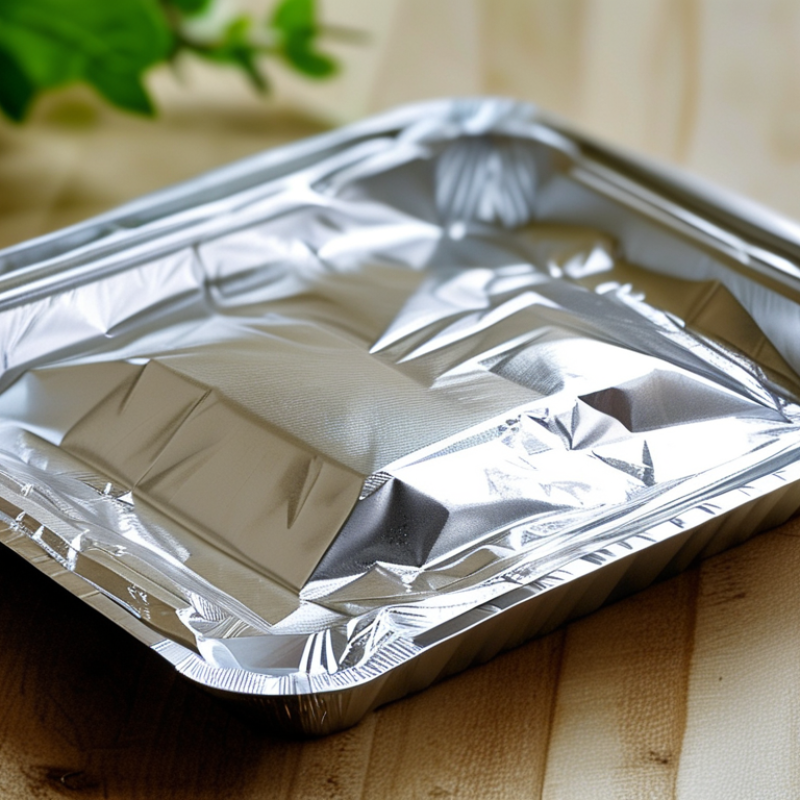
Aluminium foil plays a crucial role in blister packaging. Understanding its purpose helps manufacturers meet specific requirements for various products. This type of packaging provides excellent protection against moisture, light, and oxygen. According to a recent report by Smithers Pira, the global blister packaging market is projected to reach $30 billion by 2027. This growth highlights the importance of selecting the right aluminium foil.
Choosing aluminium foil involves considering factors like thickness, barrier properties, and compatibility with different types of products. Thinner foils are often more flexible, allowing for easier sealing. Meanwhile, thicker foils provide stronger barriers. The right choice can affect shelf life and product integrity. A study indicates that products wrapped in high-quality aluminium foil can last 50% longer than those that are not.
Understanding your product's needs is vital. Some products may require higher puncture resistance. Others may prioritize a lightweight option for cost savings. Consider testing different aluminium foil types before making decisions. Always evaluate how changes affect performance. Small adjustments can lead to significant differences.
Key Properties of Aluminium Foil Suitable for Blister Applications
When selecting aluminium foil for blister packaging, several key properties must be considered. The thickness of the foil is crucial. Generally, a thickness ranging from 20 to 50 micrometers is optimal for creating effective barriers against moisture and oxygen. Industry reports indicate that a foil thickness of 25 micrometers provides a robust solution for protecting tablet formulations.
Another important property is the foil's heat sealability. A good aluminium foil must adhere well to a variety of substrates. Ideally, it should maintain its integrity under high temperatures during sealing processes. Research from the Packaging Machinery Manufacturers Institute suggests that foils with enhanced heat seal properties can improve shelf life by up to 30%. This is significant for pharmaceutical applications.
Flexibility is also critical. Aluminium foil must withstand bending and forming without cracking. A flexible foil ensures easy folding into blisters while maintaining a solid barrier against external elements. Reports show that flexible foils are less likely to produce waste during production. However, achieving the right balance of flexibility and barrier properties often presents challenges. Manufacturers must continuously evaluate their materials and processes to refine product quality and performance.
Factors to Consider When Selecting Aluminium Foil Thickness
Choosing the right aluminium foil for blister packaging involves careful consideration of thickness. The thickness directly affects barrier properties, strength, and overall packaging integrity. Industry reports suggest that the most common thicknesses range from 20 to 40 microns. Thinner foils may be cost-effective but can compromise the protection against moisture and light. Thicker options provide better durability but might increase material costs.
When selecting the foil's thickness, assess your product's specific needs. For instance, pharmaceuticals often require thicker aluminium foils due to their sensitivity to environmental factors. A study by the Flexible Packaging Association found that 70% of consumers prefer intact packaging, highlighting the importance of choosing the right thickness for product safety. Ignoring this could lead to compromised quality.
It's essential to balance cost and performance. Cheaper, thinner foils may not withstand transportation stresses. Conducting a test for your specific application can yield valuable insights. Evaluate different combinations of thickness and material to find the ideal solution. This can minimize waste and reduce supplier-related issues. A thoughtful selection not only enhances product protection but also ensures customer satisfaction.
How to Choose Aluminium Foil for Blister Packaging Needs? - Factors to Consider When Selecting Aluminium Foil Thickness
| Thickness (microns) |
Common Uses |
Advantages |
Disadvantages |
| 20 |
Pharmaceutical Blisters |
Cost-effective, good barrier properties |
Limited strength for heavy items |
| 30 |
Food Packaging |
Excellent heat sealability, good moisture barrier |
Higher cost compared to thinner foils |
| 40 |
Consumer Goods |
Durable, suitable for sharp or heavy items |
Heavier and more expensive |
| 50 |
High-end Electronics |
Superior protection against punctures and moisture |
May not be suitable for all applications due to cost |
Comparing Different Types of Aluminium Foil for Blister Packaging
Choosing the right aluminium foil for blister packaging involves several key factors. Different types come with unique characteristics, impacting product protection. Understanding thickness variations, for instance, is crucial. Thicker foils offer better puncture resistance but may be less flexible. A delicate balance must be struck between durability and ease of sealing.
Surface treatment also plays a significant role. Some foils have coatings that enhance their barrier properties, while others allow for better printability. This can affect branding and product presentation. Always consider the chemical compatibility of the foil with the packaged product. It’s vital to ensure that the foil won't react with contents, leading to potential risks.
Evaluating the environmental impact is becoming increasingly important. Many companies seek recyclable materials to reduce waste. Although options are available, the choice may lead to trade-offs in other performance metrics. Engaging in a thoughtful selection process is essential. Reflect on your specific needs versus any limitations presented by available materials. This careful consideration guides you to the most suitable aluminium foil for your blister packaging requirements.
Evaluating Cost and Supplier Options for Aluminium Foil Procurement
When evaluating cost and supplier options for aluminium foil procurement, start by researching current market prices. According to a recent industry report, aluminium foil prices have increased by approximately 15% over the past year due to rising raw material costs. It's crucial to keep this volatility in mind when budgeting for your blister packaging needs. Engaging with multiple suppliers can provide insights into competitive pricing and help prevent overpaying.
Quality assurance is another critical factor in supplier selection. The foil’s thickness and barrier properties directly impact product shelf life. Studies show that foils with a thickness of 20-50 microns typically provide optimal protection against moisture and light. However, it's important to assess whether the supplier meets the necessary industry standards, such as ISO certification. Some suppliers may offer lower prices, but they might not maintain consistent quality. Always analyze the potential trade-offs between cost and quality.
Establishing long-term relationships with suppliers can yield benefits like better pricing and priority service. Consider engaging in negotiations for bulk purchases, as many suppliers are open to adjustable pricing. However, beware of the pitfalls of loyalty—sticking with one supplier without reviewing alternatives can lead to missed opportunities or stagnant pricing. Regularly reassessing supplier performance and market conditions will ensure you remain competitive and make informed decisions.
Aluminium Foil Cost Comparison for Blister Packaging