What is Laminated Aluminium Foil Packaging and Its Benefits?
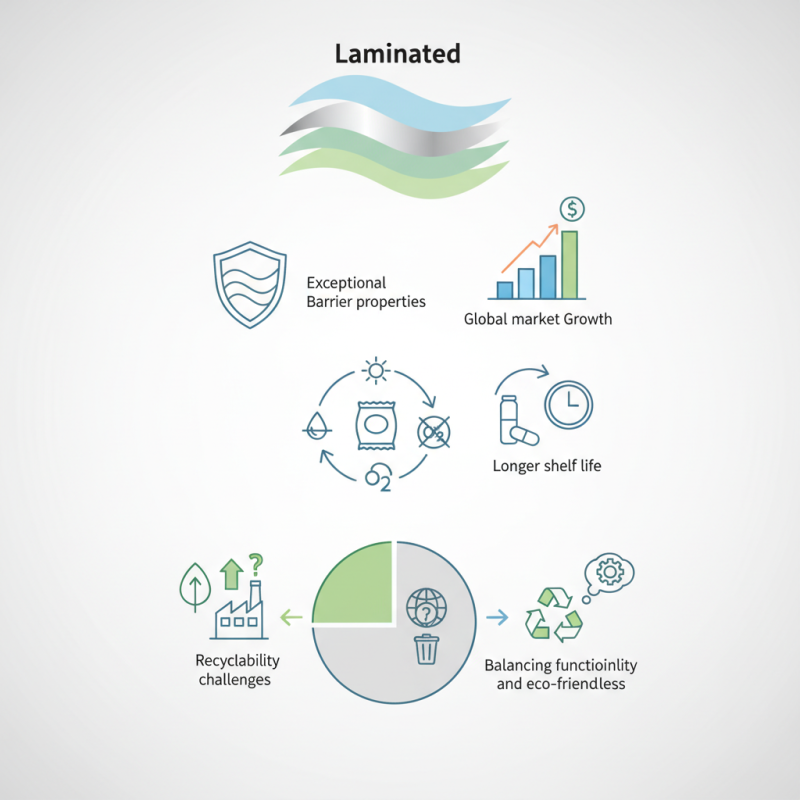
Laminated aluminium foil packaging is gaining traction in various industries. Its unique structure provides exceptional barrier properties. Reports estimate the global market for this packaging type will reach $30 billion by 2026. This growth reflects its rising demand, particularly in food and pharmaceutical sectors.
This packaging solution effectively protects products from moisture, light, and oxygen. These factors are crucial for preserving the quality of sensitive items. For instance, food products packaged in laminated aluminium foil have a longer shelf life. However, some challenges exist regarding the recyclability of this material.
While laminated aluminium foil offers clear advantages, it is essential to address environmental concerns. Packaging waste contributes significantly to global pollution. Consumers increasingly prioritize sustainability, prompting manufacturers to innovate. Balancing functionality and eco-friendliness remains a complex task in the industry.
What is Laminated Aluminium Foil Packaging?
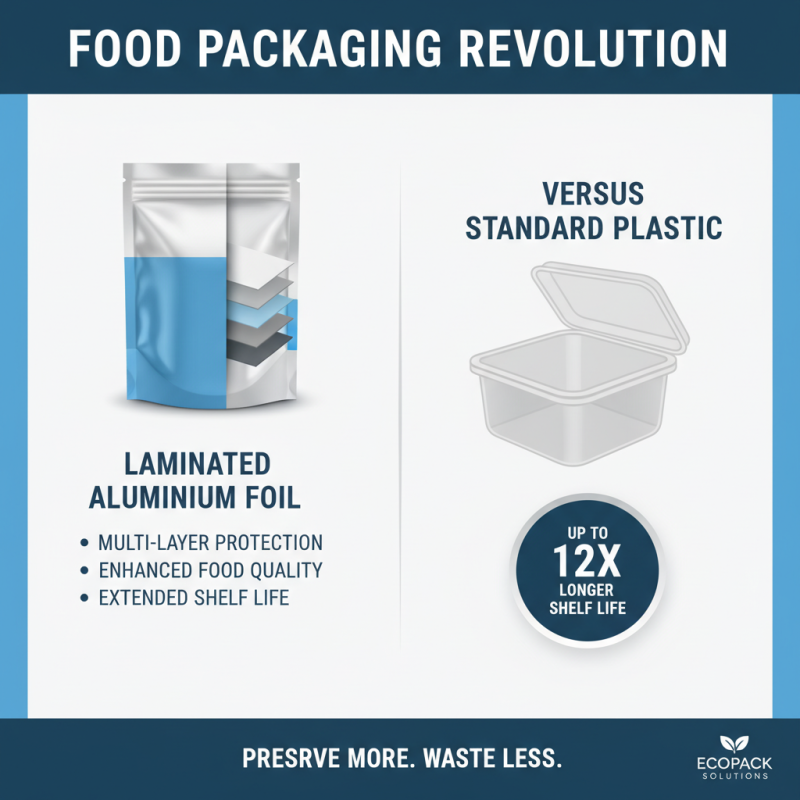
Laminated aluminium foil packaging is a versatile option widely used for various products. It combines multiple layers of materials, including aluminium and polymers, creating a strong barrier. This design helps protect contents from moisture, light, and oxygen, extending shelf life. It's commonly found in food, pharmaceuticals, and cosmetics.
When using laminated aluminium foil, consider the environmental impact. Recycling may not be straightforward. Always check local guidelines for proper disposal. Also, test packaging compatibility with your product. Not all laminates are ideal for every item.
Another point to note is the cost. Laminated packaging can be pricier than alternatives. Evaluate whether the benefits, like preservation and protection, justify the expense. Consumers today appreciate quality packaging, but it's essential to strike a balance between cost and efficacy.
Key Materials Used in Laminated Aluminium Foil Packaging
Laminated aluminium foil packaging is gaining attention. It combines layers of materials to create a protective barrier. This packaging is popular in various industries, including food, cosmetics, and pharmaceuticals. The key materials used in this type of packaging greatly contribute to its performance.
Primarily, the construction involves aluminium foil, which acts as an excellent barrier against moisture and light. This helps preserve the freshness and shelf life of products. In addition, layers of plastic films, such as polyethylene and polypropylene, are often added. These materials provide flexibility and strength. They help in sealing and processing without compromising the protective functions.
Sometimes, manufacturers face challenges in achieving perfect lamination. Variations in temperature and pressure may affect quality. Additionally, choosing the right adhesive is crucial for durability. An improper selection can lead to separation or degradation over time. Understanding these aspects is essential for creating effective laminated aluminium foil packaging.
What is Laminated Aluminium Foil Packaging and Its Benefits? - Key Materials Used in Laminated Aluminium Foil Packaging
| Material Type |
Properties |
Benefits |
Common Applications |
| Aluminium Foil |
Lightweight, excellent barrier properties against light, oxygen, and moisture. |
Prevents spoilage and maintains freshness of products. |
Food packaging, pharmaceuticals, electronics. |
| Polyethylene (PE) |
Flexible, moisture-resistant, good sealing properties. |
Enhances product shelf life and prevents contamination. |
Snack foods, ready meals, condiments. |
| Polyester (PET) |
Durable, strong, high-temperature resistance. |
Provides structural support and extends shelf life. |
Beverage packaging, bulk food items, medical supplies. |
| Paper |
Biodegradable, recyclable, good printability. |
Eco-friendly option, enhances brand visibility. |
Bakery products, candy, organic food packaging. |
Advantages of Laminated Aluminium Foil for Food Preservation
Laminated aluminium foil packaging is gaining traction in the food industry. It combines multiple layers for enhanced protection. This packaging method is effective in preserving food quality, extending shelf life significantly. Reports indicate that products packed in laminated foil can last up to 12 times longer than those in standard plastic.
The layered design of aluminium foil prevents air, moisture, and light from reaching food. These factors can degrade food quality and cause spoilage. Many manufacturers are now opting for this eco-friendly alternative. Research shows that laminated packaging can reduce food waste by up to 30%. That's a considerable benefit for both producers and consumers.
Despite its advantages, there are challenges to consider. Cost is often higher than traditional methods. Also, not all laminated foils are recyclable. This raises questions about sustainability. Manufacturers must weigh these aspects carefully. Balancing performance with environmental impact is crucial. It’s a complex landscape requiring ongoing reflection and adaptation.
Market Trends: Growth Analysis of Laminated Aluminium Foil Packaging
The market for laminated aluminium foil packaging is witnessing significant growth. According to recent industry reports, the global laminated aluminium foil packaging market was valued at approximately $24 billion in 2022. It is projected to grow at a compound annual growth rate (CAGR) of about 6% from 2023 to 2030. This trend is driven by increasing demand across various sectors, including food, pharmaceuticals, and personal care.
Sustainability is becoming a focal point for consumers and manufacturers alike. Companies are seeking eco-friendly alternatives in packaging solutions. Laminated aluminium foil can be recycled, which appeals to environmentally-conscious consumers. However, it is essential to address recycling challenges. Not all facilities can process laminated materials effectively. There’s a need for improved recycling infrastructure.
Moreover, the versatility of laminated aluminium foil makes it popular. It retains freshness and provides a barrier against moisture, light, and air. These protective qualities extend the shelf life of products. Nevertheless, the reliance on aluminium raises concerns about the environmental impact of mining. Balancing performance with sustainability remains a significant challenge for the industry. The path forward requires innovation and collaboration among stakeholders to overcome these hurdles.
Sustainability in Laminated Aluminium Foil: Recycling and Eco-Friendliness
Laminated aluminium foil packaging offers a unique combination of durability and lightweight properties. It can be recycled efficiently, making it eco-friendly. According to the Aluminium Association, approximately 75% of all aluminium ever produced is still in use. This statistic highlights a significant benefit of aluminium's recyclability. When used in food packaging, it preserves freshness and reduces waste.
The recycling process of laminated aluminium involves separating the layers. This can be challenging. However, advancements in technology are making this easier. A report from the European Aluminium Foil Association states that about 50% of aluminium foil used in Europe is recycled. This indicates a growing trend toward sustainability. But there still remains a gap in awareness.
Despite these positive figures, the industry faces hurdles. Many consumers do not understand the recycling process. This often leads to contamination in recycling streams. Education and infrastructure improvements are needed to enhance recycling rates. Efforts must focus on making the recycling process more accessible. With investment in better technology, the future of laminated aluminium foil can become even more sustainable.
Environmental Benefits of Laminated Aluminium Foil Packaging
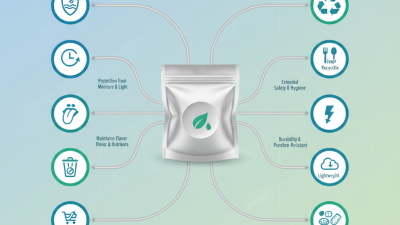
Laminated aluminium foil packaging offers several environmental benefits, as illustrated in the chart. Key factors such as recyclability, resource efficiency, and carbon footprint reduction are crucial in considering its ecological impact.