How to Choose the Right Aluminum Pouches for Food Storage?
Choosing the right aluminum pouches for food can seem daunting. Many options exist. Your choice significantly impacts food preservation. Aluminum pouches protect against light, moisture, and air. These factors are crucial in maintaining food quality.
When selecting aluminum pouches for food storage, consider your specific needs. Think about the food type, storage duration, and desired freshness. Not all pouches are equal. Some may offer better sealing than others. Such details can make a difference in your food's longevity.
It's also essential to reflect on packaging size. Larger sizes may seem convenient, but leftovers can spoil. Smaller pouches can help maintain freshness but may require more packaging. Balancing convenience and quality is tricky. Ultimately, your goal is to keep food safe and enjoyable.
Understanding the Benefits of Aluminum Pouches for Food Storage
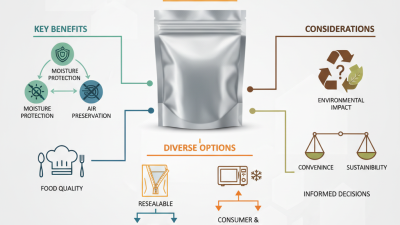
Aluminum pouches offer several advantages for food storage. They are lightweight yet sturdy, making them easy to transport. The aluminum material provides an effective barrier against moisture, light, and oxygen. This keeps food fresh for longer periods. Many people appreciate that aluminum pouches can be resealed, allowing for repeated use.
In addition, aluminum pouches are versatile. They can store dried fruits, nuts, and even liquids. This flexibility makes them suitable for various types of food. However, some users may find sealing difficult at times. It is important to ensure a tight seal for maximum freshness. Experimenting with different sealing methods can lead to better results.
It’s important to consider the environmental impact of aluminum use. While recyclable, not all facilities accept aluminum pouches. Users should be aware of recycling options in their area. Finding ways to reuse pouches can also be a creative solution. Perhaps they can be repurposed for storage of non-food items.
Key Factors to Consider When Selecting Aluminum Pouches
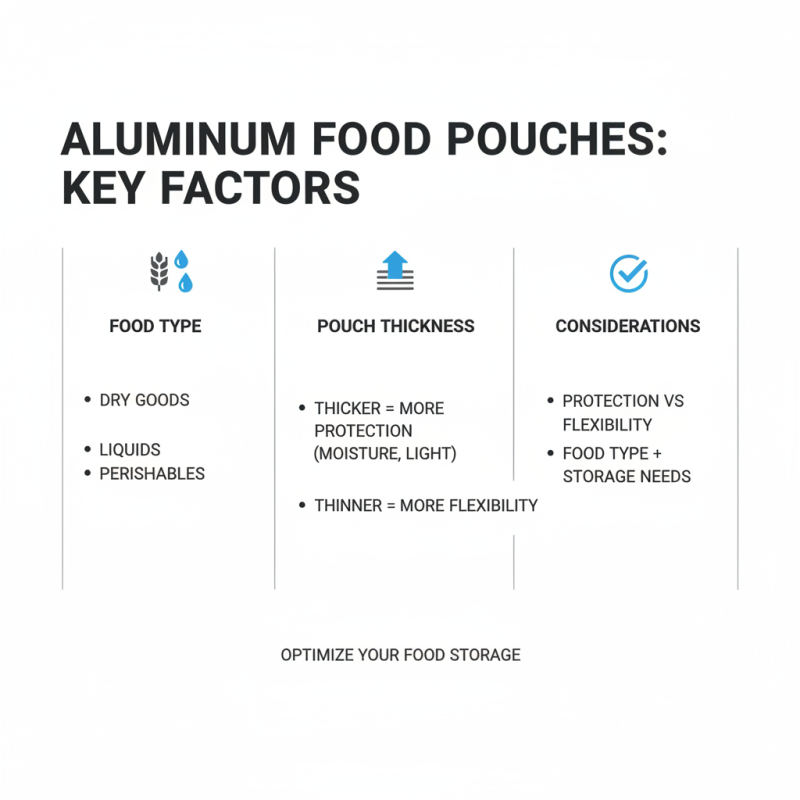
When choosing aluminum pouches for food storage, consider several essential factors. Different types of food require different storage conditions. For example, dry goods, liquids, and perishables all have unique requirements. The pouch thickness plays a significant role in this. Thicker pouches generally offer better protection against moisture and light. However, they may be less flexible, which could be a downside for some applications.
Another crucial factor is the sealing method. Some pouches use heat sealing, while others may utilize zip lock designs. Heat-sealed pouches often provide an airtight barrier. They are great for long-term storage. Yet, zip locks offer convenience and reusability. Think carefully about your needs. Will you store items for an extended period? Or do you need easy access?
Also, pay attention to size. Smaller pouches might suit snacks, but bulkier items require larger sizes. Consider your pantry space too. A poorly fitting pouch can lead to waste or spoilage. Reflect on the materials used as well. Some aluminum pouches come with additional layers to enhance protection. Not every layer is necessary. Sometimes, simplicity is key. Choosing the right pouch involves understanding your food storage habits and preferences.
Types of Aluminum Pouches and Their Use Cases
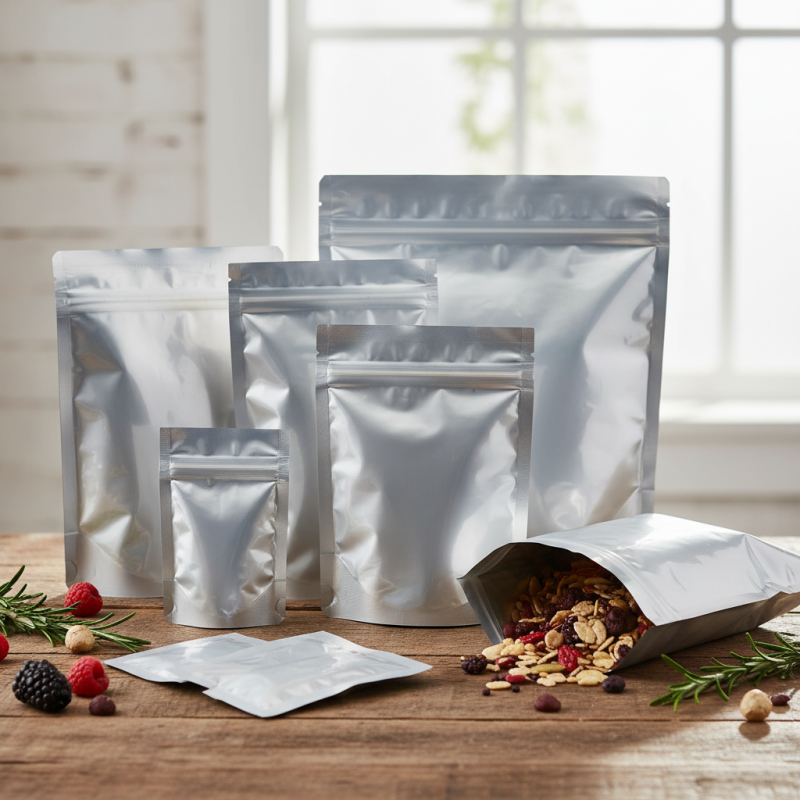
When selecting aluminum pouches for food storage, understanding their types and applications is vital. Generally, there are three main types: stand-up pouches, flat pouches, and zipper pouches.
Stand-up pouches are ideal for items such as snacks or pet foods, providing visibility and stability. Flat pouches work well for items that don’t require additional support, commonly used for coffee or dried herbs. Zipper pouches offer convenience for reusable storage, perfect for larger quantities of grains or cereals.
Industry reports reveal that the global packaging market for food products is expected to reach USD 600 billion by 2024. Aluminum pouches are gaining traction due to their lightweight nature and ability to preserve freshness. With an estimated 90% of food waste stemming from poor storage, aluminum pouches offer an effective solution. However, it’s crucial to ensure the right barrier properties match the food type. Some pouches may not shield against moisture as effectively as others.
Educating yourself on these options is essential. Not all aluminum pouches are created equal, and some prioritize aesthetics over functionality. Be mindful of the nuances in material thickness and sealing methods. Always question if you have made the best choice for the specific food item you plan to store.
Evaluating the Seal Integrity and Durability of Aluminum Pouches
Evaluating the seal integrity of aluminum pouches is crucial for effective food storage. A well-sealed pouch can significantly extend the shelf life of products. According to industry reports, over 70% of food spoilage is due to compromised seals. Therefore, assessing the closure mechanism is essential. Look for pouches that utilize high-quality seal technologies. They should maintain airtight properties even under varying temperatures.
Durability is another key factor. Aluminum pouches should withstand transportation and storage conditions. A study indicated that pouches with a thickness of at least 100 microns offered stronger protection against external factors. Also, consider resistance to punctures and tears. While thinner pouches may seem cost-effective, they often fail during handling. It's important to reflect on the balance between cost and quality. Sometimes, opting for cheaper materials can lead to more significant long-term losses due to spoilage.
Keep in mind the environmental impact too. Many aluminum pouches are recyclable, but their production can leave a carbon footprint. Think about sustainability when making your choice. Each type of aluminum pouch has its strengths and weaknesses. A thoughtful evaluation can lead to better food preservation practices, ensuring that the food remains fresh for longer periods.
Environmental Impact and Recycling Options for Aluminum Pouches
Aluminum pouches have become popular for food storage due to their lightweight and durability. However, their environmental impact cannot be overlooked. According to the Aluminum Association, recycling aluminum saves 95% of the energy required to produce new aluminum. This is a significant number, especially in an age where sustainability is crucial. Unfortunately, many people still dispose of aluminum pouches incorrectly, leading to increased landfill waste.
When it comes to recycling, it’s vital to check local guidelines. Not all facilities accept aluminum pouches, as the liners can complicate the recycling process. A report by the Beverage Packaging Association highlights that only about 50% of aluminum products are recycled today. This calls for more awareness in recycling practices. Consider rinsing pouches before disposal to improve their recyclability.
Tips: Remember to look for recyclable symbols on packaging. This can guide proper disposal methods. Using reusable containers instead of aluminum pouches can also reduce waste. Choosing the right storage solution is essential, but so is understanding its lifecycle. Reflecting on these aspects can help consumers make informed decisions.
How to Choose the Right Aluminum Pouches for Food Storage? - Environmental Impact and Recycling Options for Aluminum Pouches
| Pouch Type |
Best Use Case |
Environmental Impact |
Recycling Options |
Typical Lifespan |
| Stand-Up Pouches |
Snacks, Granola, Protein Powders |
Low carbon footprint if recycled |
Widely recyclable, check local guidelines |
6 - 12 months |
| Flat Pouches |
Single-serve Meals, Sauces |
Can contribute to waste if not recycled |
Limited recycling options |
6 months |
| Retort Pouches |
Ready-to-eat Meals |
Higher energy use during production |
Recycling varies, often not accepted |
1 - 2 years |
| Foil Pouches |
Perishables, Coffee |
Well-sealed, but often leads to waste |
Check if your recycling facility accepts foil |
3 - 6 months |