
What Is the Best Aluminium Stand Up Pouch for Global Buyers?
Global buyers do not choose packaging by appearance alone. They compare barrier performance, filling speed, freight weight, shelf impact, and supplier consistency. The aluminium stand up pouch brings these factors together in a compact format. Its laminated structure can help protect products from light, moisture, and oxygen, while its flat base supports stable display. But “aluminium” does not guarantee the same performance across every pouch. Layer thickness, seal design, zipper quality, and filling conditions all matter.
Market growth makes these choices more important. Smithers’ industry report, The Future of Flexible Packaging to 2028, forecasts the global flexible packaging market will approach $300 billion by 2028. This signals sustained demand, not proof that one pouch type suits every product. The OECD’s Global Plastics Outlook reports that packaging accounted for about 40% of plastic waste generated in 2019. That figure covers packaging broadly, not aluminium pouches specifically, yet it highlights why material choices deserve careful review. Recycling access and local collection systems vary widely. A pouch that protects a product well may still be difficult to recover after use. Worth asking.
For global buyers, the best option is therefore a measured fit, not a universal winner. Check barrier specifications, seal strength, food-contact documentation where relevant, and compatibility with existing filling lines. Request samples and test them under realistic storage and transport conditions. A pouch that looks strong on a specification sheet can behave differently on a fast production line. Small details count. This guide examines the features buyers should compare, the trade-offs behind common constructions, and the questions to ask suppliers before placing an order.
What Is an Aluminium Stand Up Pouch?
What Is the Best Aluminium Stand Up Pouch for Global Buyers?
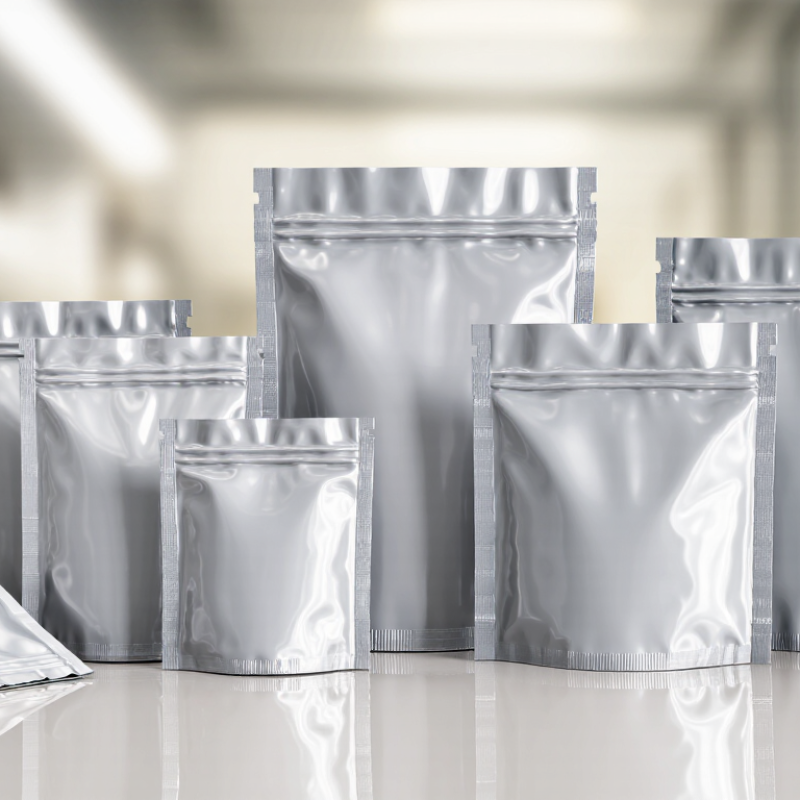
An aluminium stand up pouch is a flexible package with a flat base and an aluminium foil laminate. It usually combines plastic layers, foil, and a heat-sealable inner film. The foil blocks light, oxygen, moisture, and aroma. This helps protect dry foods, coffee, powders, and personal-care products during storage and shipping.
It is not a pouch made entirely from aluminium. That distinction matters. The laminate structure affects sealing, recyclability, filling speed, and disposal options. The Flexible Packaging Association’s 2023 industry report valued the US flexible packaging market at about 39 billion dollars in 2022. This scale reflects strong demand for lightweight formats. Smithers’ Future of Flexible Packaging to 2028 also identifies barrier performance and material reduction as major market drivers.
For global buyers, the best pouch depends on the product, not appearance. A moisture-sensitive powder may need a thicker foil layer and strong corner seals. A retail pouch needs a stable base, clear printing, and reliable zipper performance. Buyers should request migration tests, seal-strength results, foil thickness, and food-contact documentation where relevant. Supplier experience matters here. Small sealing defects can become serious after weeks in humid transit.
No pouch is perfect. Aluminium laminates offer excellent protection, but recycling can be difficult when several materials are bonded together. A buyer may prefer a mono-material alternative for easier recycling, even with lower barrier performance. That trade-off deserves careful testing.
| Pouch Type | Typical Layer Structure | Typical Total Thickness | Key Performance | Common Applications | Buyer Considerations |
|---|---|---|---|---|---|
| Standard foil-barrier pouch | PET / aluminium foil / PE | Approximately 80–125 μm, depending on layer gauges | Strong protection against moisture, oxygen, and light when the laminate and seals are properly designed. | Dry foods, coffee, powders, snacks, and products requiring extended protection from light and air. | A versatile option for many ambient products. Confirm seal compatibility, required shelf life, and filling conditions. |
| Puncture-resistant foil pouch | PET / nylon (PA) / aluminium foil / PE | Often approximately 95–145 μm | The nylon layer can improve toughness and resistance to puncture and flex cracking compared with a similar structure without nylon. | Products with sharp edges, heavier contents, or handling and transport conditions that raise puncture risk. | May cost more and use more material than a simpler laminate. Check that the structure suits the product and distribution route. |
| Retort-grade foil pouch | Retort-grade PET / aluminium foil / retort-grade CPP | Often approximately 90–140 μm | Designed for specified heat-processing conditions; the complete laminate, seals, and pouch must be validated for the intended retort process. | Retort-processed foods and other products requiring a validated high-temperature sterilization process. | Do not assume every foil pouch is retortable. Obtain process-specific validation and test the finished pouch before production. |
| Metallized stand-up pouch (foil alternative) | PET or OPP / metallized film / PE or CPP | Varies by construction; commonly a lightweight multilayer laminate | Can provide useful light and moisture protection, but a thin deposited metal layer is not the same as aluminium foil and may offer different barrier performance. | Dry goods and products where a foil-level barrier is not required. | Compare measured barrier data for the finished pouch. Select this option only when its protection level meets the product’s shelf-life needs. |
| Selection note: An aluminium stand-up pouch is a flexible multilayer pack with a gusseted base that helps it stand upright. Aluminium foil is laminated with polymer layers to provide protection and enable sealing. The best construction depends on the product, required shelf life, filling and processing conditions, pouch size, and distribution environment. Foil-containing laminates combine different materials and are not generally accepted in standard curbside recycling; check the recycling options available in each destination market. | |||||
Related Posts
-
2026 Best Aluminium Foil Stand Up Pouch Options for Your Packaging Needs?
-
Maximize Your Brand Impact with Eco Friendly Aluminum Stand Up Pouches for Sustainable Packaging Solutions
-

Top 10 Aluminium Foil Stand Up Pouch Benefits and Uses?
-
7 Best Aluminium Stand Up Pouch Suppliers for Global Buyers
-

Why Laminated Aluminium Foil Packaging is Essential for Food Preservation and Sustainability
-

Top Aluminium Blister Foil Suppliers for 2026 Buying Guide?