2026 Best Types of Aluminium Packaging for Food?
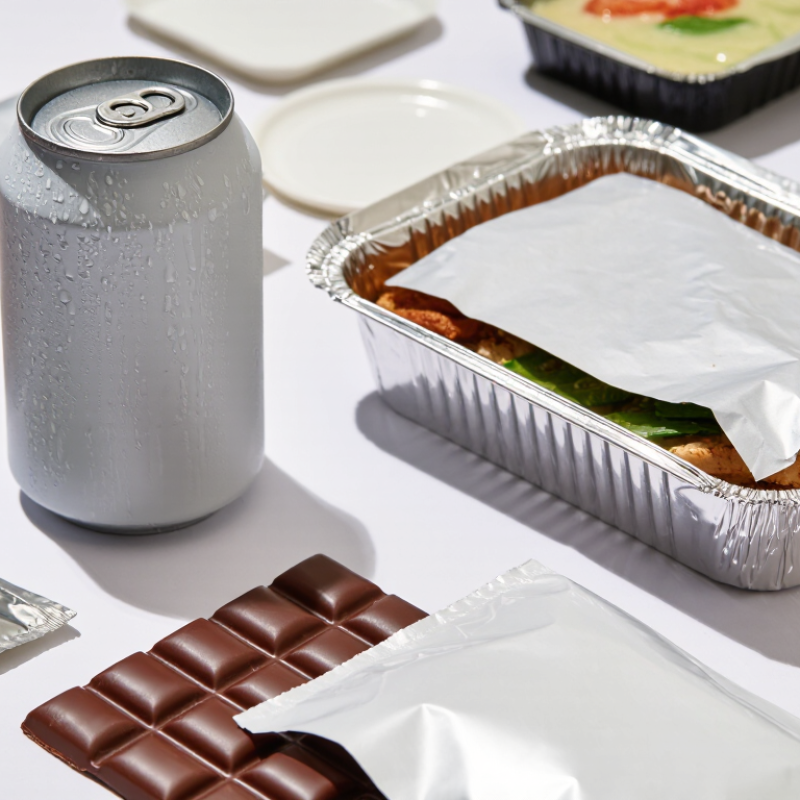
Choosing aluminium packaging for food in 2026 means balancing product protection, convenience, cost, and material recovery. A chilled drink, a tray of prepared food, and a delicate chocolate bar do not need the same package. Cans, foil, trays, and laminated containers each solve different problems. The details matter: a tight seam can help protect freshness, while a lightweight lid may make serving easier. But format alone does not guarantee a good outcome.
Circular-economy advocate Ellen MacArthur offers a useful design principle: “A circular economy is based on three principles, driven by design: eliminate waste and pollution, circulate products and materials (at their highest value), and regenerate nature.” Applied to aluminium packaging for food, that idea encourages attention to material choice, package design, and what happens after use. It is a helpful lens, not a product-specific endorsement. Actual performance depends on the food, package construction, and local collection systems.
This guide compares common types of aluminium food packaging and explains where each may fit. It considers barriers, durability, handling, and recyclability without treating any single option as perfect. Some packages combine aluminium with other materials, which can complicate recovery. That trade-off deserves a closer look. Expect practical comparisons, clear selection criteria, and a few cautions for buyers. Small design choices can matter. So can the limits of the evidence. The aim is not to crown one universal winner, but to help readers choose a suitable format for a real product and supply chain.
What Aluminium Food Packaging Is and How It Preserves Food
Aluminium food packaging is made from thin foil, formed containers, or laminated structures that include an aluminium layer. A foil tray holding a baked meal feels light but stays firm enough for handling. Some packs use aluminium alone; others combine it with paper or plastic for strength and sealing. The exact structure matters.
Aluminium blocks light and, when the package is properly sealed, helps limit oxygen, moisture, and outside odours from reaching food. This can slow quality changes such as rancidity in fatty foods, aroma loss, or texture deterioration. Seal quality matters. A pinhole, torn edge, or weak lid can reduce the barrier, even when the material itself performs well. Packaging does not make food sterile; safety still depends on processing, storage, and handling.
Common formats include foil wraps, shallow trays, lidded containers, and flexible pouches with a metal layer. They suit different foods and temperatures, but not every pack is interchangeable. Acidic or salty foods may interact with exposed aluminium under some conditions, so coatings or other package layers may be used. It is tempting to judge preservation by appearance alone, but intended use, seal quality, and storage directions matter more. Small details matter. Packaging choices also involve trade-offs, including material use and recycling access, which can vary between local collection systems.
How to Compare Aluminium Packaging for Different Food Needs
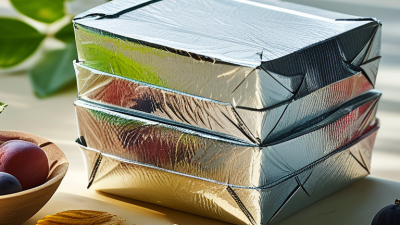
Choosing aluminium packaging starts with the food, not the container shape. A shallow aluminium tray suits lasagne or roasted vegetables because it holds its form during handling and heating. Foil works well for wrapping sandwiches or covering dishes, but it can tear around sharp edges. Cans protect soups and drinks from light and air when properly sealed. For oily or acidic foods, check that the package’s food-contact coating is suitable; bare aluminium may not be the right surface.
Compare barrier performance, temperature needs, portion size, and how the package will be opened. A chilled pastry may need a different level of rigidity than a takeaway meal carried across town. Consider sealing quality too: a loose lid can lead to leaks, while an overly tight one may frustrate customers. No option is perfect. Recycling access also varies by location, so don’t assume every format will be accepted locally.
Tips: Match the package to storage and serving conditions, then test it with the actual food. Check for leaks after transport and inspect the seal after heating. Small trials help, though they rarely capture every real-world handling problem.
2026 Best Types of Aluminium Packaging for Food
Compare common formats by the typical thickness of their aluminium layer or body. Thicker material is not automatically better; choose packaging to suit the food, processing method, and required protection.
Ranges are indicative typical values, not universal specifications. Actual thickness varies by product design and supplier. Flexible foil laminates use a thin aluminium foil layer combined with other materials.
Common Types of Aluminium Packaging Used for Food in 2026
Common aluminium packaging for food includes rigid cans, foil trays, shallow containers, and flexible laminates with an aluminium layer. Each format suits different foods and handling needs. There is no single best option.
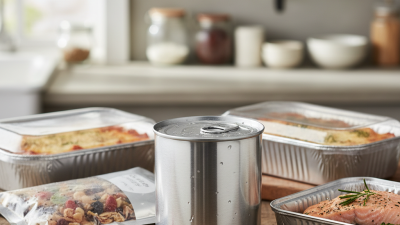
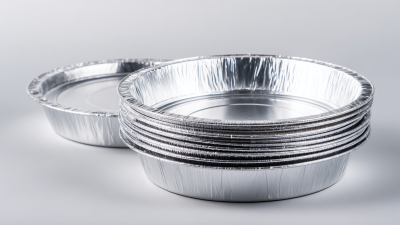
Rigid cans provide a strong barrier against light, oxygen, and moisture. They are widely used for drinks, vegetables, soups, and other foods that benefit from a sealed container. Foil trays and shallow containers work well for prepared meals, baked dishes, and takeaway portions. Their thin walls heat quickly, but sharp edges and dents deserve attention during packing and transport.
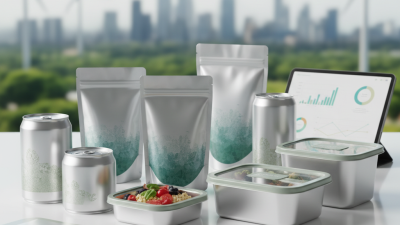
Details matter. Flexible packaging is lighter and can use aluminium foil as one layer in a plastic or paper laminate. This helps protect products such as coffee, snacks, and powdered foods, though the complete package may be harder to recycle than a single-material container. Plain household foil is useful for covering or wrapping food, but it is not a substitute for every sealed package. Match the format to the food’s moisture, acidity, storage time, and heating method. Check seals and container condition, too; a small defect can undermine otherwise suitable packaging. Recycling options vary by local collection systems.
Which Aluminium Formats Suit Specific Foods and Storage Conditions
Food choice matters more than the word aluminium on the pack. For sandwiches, cut fruit, or leftovers eaten soon, household foil can block light and reduce air exposure when wrapped tightly. Foil alone is not a reliable seal. Moisture and odors can still pass through loose folds. Tomato sauce and brined vegetables are acidic or salty. For these foods, use a food-contact container with a suitable inner coating rather than prolonged contact with bare foil. That small choice matters.
Aluminium trays suit baked meals, pies, and takeaway portions that need even heating and easy handling. They are practical in ovens, but check the package’s temperature guidance; not every tray suits every appliance. Cold storage changes the job. Use lidded trays or sealed foil-laminate pouches for moist foods, since tight closure helps limit leaks and odor transfer. For coffee, nuts, and dry snacks, foil-laminate packs block light and slow oxygen exposure. A good seal is essential. Cans work well for shelf-stable foods processed and sealed for that purpose. After opening, transfer leftovers to a covered, nonreactive container and refrigerate promptly. Aluminium is not a magic barrier. Coatings, seams, and storage temperature all matter, and small seams can be the weak point.
Food Safety, Recycling, and Limitations of Aluminium Packaging
Aluminium packaging can protect food from light, oxygen, and moisture, but safety depends on the food and the package.
Acidic or salty foods, such as tomato sauce or pickled vegetables, can increase aluminium migration from uncoated surfaces, especially during long storage. Germany’s Federal Institute for Risk Assessment has highlighted this concern. EFSA’s 2008 assessment set a tolerable weekly intake of 1 milligram of aluminium per kilogram of body weight, covering exposure from all sources. Coatings help, but damaged linings deserve attention.
Recycling is a major advantage, not a guarantee.
European Aluminium and Metal Packaging Europe reported a 76.3% recycling rate for aluminium beverage cans in Europe in 2021. Recycled aluminium also requires far less energy than primary production; the International Aluminium Institute estimates savings of about 95%. That matters. Yet sorting losses occur, and food residues, inks, or mixed-material components can complicate recovery. Recycling performance also varies by collection system and region.
There are limits.
Foil is lightweight, but thin sheets can tear, and many trays need coatings to resist salty or acidic foods. Those layers may make recycling harder. The figures are encouraging, but they do not mean every aluminium pack returns as another food package. Better separation helps; perfect recovery remains an aspiration. Manufacturers and recyclers still need to weigh protection, material use, and local recycling capacity.